

Spinach Ravioli with Ricotta
Ingredients
Equipment
Method
- In a large bowl, combine the flour and salt. Add the eggs and olive oil, then mix until a dough forms.
- Knead the dough for 8–10 minutes until smooth and elastic.
- Wrap the dough tightly and let it rest for 30 minutes at room temperature.
- Cook the spinach in a dry skillet for 2–3 minutes until wilted. Let it cool, then squeeze out all excess moisture and chop finely.
- In a bowl, combine the spinach, ricotta, Parmesan, egg yolk, nutmeg, salt, pepper, and garlic (if using). Mix until smooth.
- Roll the dough into thin sheets using a pasta machine or rolling pin.
- Place small spoonfuls of filling onto one sheet, leaving about 2 inches between each mound.
- Brush water around each mound, cover with another pasta sheet, and press firmly to remove air pockets.
- Cut the ravioli using a ravioli cutter or stamp.
- Bring a large pot of salted water to a gentle boil.
- Cook the ravioli for 3–4 minutes, or until they float to the surface.
- Meanwhile, melt the butter in a skillet and cook the sage leaves until fragrant.
- Transfer the ravioli to the skillet and gently toss to coat.
- Sprinkle with Parmesan cheese and chopped parsley before serving.
Notes
- Resting the dough makes it easier to roll and improves texture.
- Squeeze the spinach well to prevent a watery filling.
- Avoid overfilling the ravioli to prevent bursting during cooking.
- Freeze uncooked ravioli on a floured baking tray for up to 2 months.
- Serve with browned butter, marinara sauce, or a light cream sauce.
Tired of buying store-bought pasta that tastes nothing like the real thing and worried about the quality? You are not alone. Most packaged ravioli use fillings that are bland, rubbery, and completely forgettable.
The good news is that making the best Spinach Ravioli with Ricotta is far easier in your kitchen than most people think, and the result is so much better. This recipe walks you through every step, from mixing the silky pasta dough to shaping each perfect little pillow, so you can put a genuinely impressive Italian meal on the table any night of the week with your family. If you love comforting Italian classics, Homemade Baked Ziti is another recipe you’ll want to add to your menu.
Why You Will Absolutely Love This Homemade Pasta Recipe
Once you make ravioli from scratch in your kitchen, going back to the boxed version feels impossible. Here is why this recipe earns a permanent spot in your kitchen:
- The filling is rich, creamy, and packed with flavor from real ricotta, parmesan, and fresh spinach
- The pasta dough comes together with just a few pantry staples and no special skills
- It is completely vegetarian and works beautifully with any sauce you enjoy
- You can make a big batch and freeze half for a quick meal later in the week
- It impresses guests at dinner parties, but is simple enough for a regular Sunday dinner
What Exactly Is Ravioli?
Everything You Need: Ingredients
These ingredients are easily available in the markets.
For the Fresh Pasta Dough
- 2 cups all-purpose flour or 00 flour
- 3 large eggs at room temperature
- 1 tablespoon olive oil
- A pinch of salt
For the Spinach Ricotta Filling
- 1.5 cups whole milk ricotta cheese
- 1 cup fresh or frozen spinach, cooked and squeezed very dry
- Half a cup of finely grated Parmesan cheese
- 1 egg yolk
- A pinch of freshly grated nutmeg
- Salt and black pepper to taste
Kitchen Equipment You Will Need
Having the right tools makes this recipe much more enjoyable and easier:
- A large mixing bowl and a clean flat work surface
- A pasta machine or a sturdy rolling pin
- A pastry cutter or sharp knife
- A ravioli mold (optional but helpful for even shapes)
- A large pot for boiling
- A slotted spoon for removing cooked ravioli
Step-by-Step: How to Make Spinach Ravioli with Ricotta Filling
Step One: Prepare the Pasta Dough
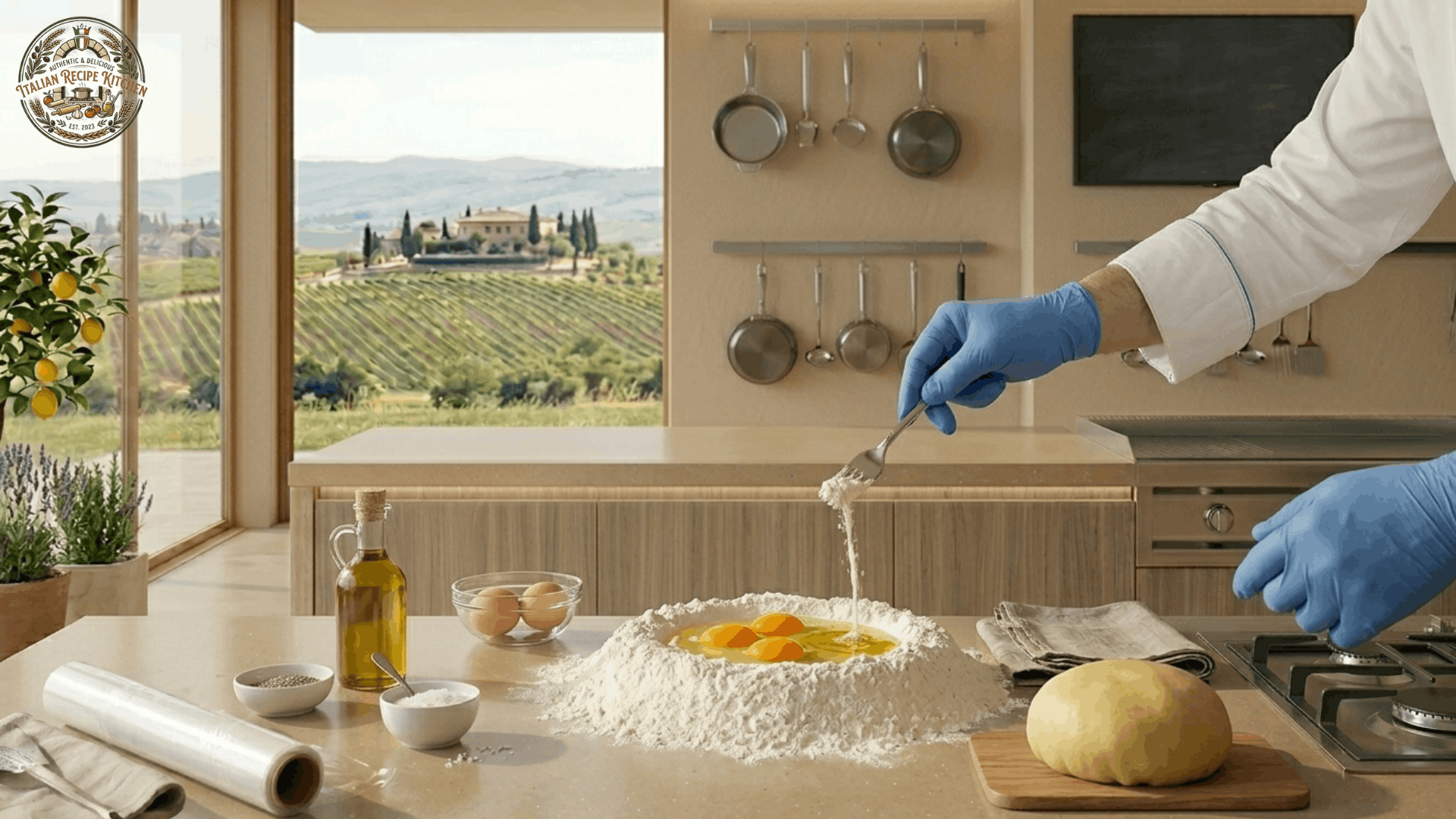
Pile your flour onto a clean work surface in your kitchen and create a well in the center. Crack the eggs into the well along with the olive oil and salt. Use a fork to slowly beat the eggs while gradually drawing in flour from the edges of the well.
Once the mixture becomes too thick to stir, use your hands, wearing gloves, to bring the dough together.
Knead the dough firmly for about eight to ten minutes until it feels smooth and elastic, like soft leather. Wrap it tightly in plastic wrap and let it rest at room temperature for at least thirty minutes. This resting time is not optional; it allows the gluten to relax so the dough rolls out without snapping back.
Step Two: Make the Spinach Ricotta Filling
If using fresh spinach in the kitchen, wilt it in a pan with a tiny bit of water, then drain it completely from the pan. If using frozen spinach, thaw it and squeeze out every drop of moisture through a clean kitchen towel. Excess water in the filling will make your ravioli soggy and cause them to burst when boiling.
Combine the ricotta, drained spinach, parmesan, egg yolk, nutmeg, salt, and pepper in a bowl. Mix until smooth and well combined, not one ingredient being separate. Taste the filling and adjust everything before you start shaping. A well-seasoned filling makes all the difference in the final dish.

Step Three: Roll Out the Pasta Dough
Divide the remaining dough into four equal portions. Keep the pieces you are not using wrapped so they do not dry out. Using a pasta machine, start at the widest setting and gradually work the dough through thinner settings, folding it once between the first two passes to build strength.
Aim for a thickness of about 1 to 2 millimeters, which is thin enough to see your hand through but still strong enough to hold the filling. If rolling by hand, use a rolling pin and firm, even pressure to stretch the sheet as thin as possible. Work quickly so the dough does not dry out.

Step Four: Shape the Ravioli
Using a Pastry Cutter
Lay one pasta sheet on your work surface in the kitchen. Place small teaspoons of filling in a row, spaced about two inches apart, along the lower half of the sheet. Fold the top half of the dough over the filling and press firmly around each mound to push out any trapped air.
Use a fluted pastry cutter or sharp knife to cut between each pocket, creating individual squares. Press the edges firmly with your fingers to seal. It is easy to use.

Using a Ravioli Mold
A ravioli mold gives you perfectly uniform shapes with very little effort. Lay one pasta sheet over the mold and press gently to create small indentations. Spoon filling into each indentation and lay a second pasta sheet on top. Use a rolling pin to roll firmly over the mold, which seals and cuts the ravioli in one motion. Pop them out gently and set aside on a lightly floured tray.

Step Five: Cook the Ravioli
Bring a large pot of well-salted water to a rolling boil. Add the ravioli in batches, being careful not to overcrowd the pot. Fresh ravioli cooks very quickly, typically in just three to four minutes. They are ready when they float to the surface, and the pasta feels tender when you press it gently.
Lift them out with a slotted spoon and toss immediately with your sauce of choice. A simple brown butter and sage sauce, a classic marinara, or even a light cream sauce all pair beautifully with this filling.

Pasta Cooking Tips You Should Know
- Always salt your pasta water generously; it should taste lightly salty like mild broth
- Never rinse cooked ravioli, as it washes away the starch that helps sauce cling
- Cook in small batches to keep water at a steady boil throughout
- Drain gently using a slotted spoon rather than pouring into a colander to avoid tearing
Smart Swaps: Ingredient Substitutions
| Original Ingredient | Substitution Option |
| All-purpose flour | 00 flour or semolina blend |
| Whole milk ricotta | Firm tofu (for dairy-free version) |
| Parmesan cheese | Pecorino Romano or Grana Padano |
| Fresh spinach | Frozen spinach, chard, or kale |
| Egg yolk in filling | Omit for lighter texture |
| Nutmeg | A pinch of white pepper |
Creative Variations Worth Trying
Once you are comfortable with the basic recipe, try these popular twists:
- Lemon zest filling: Add the zest of one lemon to the ricotta mixture for a fresh, bright flavor
- Mushroom and ricotta: Replace spinach with sautéed mushrooms for an earthy, rich filling
- Butternut squash ravioli: Swap spinach for roasted and pureed squash for a sweet and savory combination
- Spicy arrabbiata sauce: Toss finished ravioli in a spicy tomato sauce with chili flakes and garlic
- Baked ravioli: Arrange boiled ravioli in a baking dish, top with tomato sauce and mozzarella, and bake until bubbly
Top Tips for Perfect Ravioli Every Time
- Rest your dough for at least 30 minutes in the kitchen; longer is better
- Squeeze out every bit of moisture from the spinach before mixing the filling
- Use a washed pastry brush dipped in water to wet the edges before sealing for a stronger bond
- Dust your tray lightly with semolina flour to prevent sticking while you work in the kitchen
- Work in small batches so your pasta sheets do not dry out before you shape them
- Let the finished ravioli air dry for 20 to 30 minutes on a floured tray before boiling
These tips are important if you apply them to making the pasta.
Nutrition Overview (Per Serving, Approx. 6 Ravioli)
| Nutrient | Approximate Amount |
| Calories | 320 kcal |
| Protein | 14g |
| Carbohydrates | 38g |
| Fat | 11g |
| Fiber | 2g |
| Calcium | 180mg |
| Iron | 2.5mg |
These are the nutrients important in the recipes.
Spinach adds iron, folate, and vitamins A and C. Ricotta provides calcium and is a good source of protein. This dish is satisfying and nutritious, especially when paired with a simple green salad.
How to Store Leftover Ravioli
Can You Freeze Homemade Ravioli?
Yes, and it works beautifully. After shaping, place uncooked ravioli in a single layer on a baking sheet lined with parchment paper. Freeze until solid, which takes about two hours, then transfer to a freezer-safe bag or container. They keep well for up to three months. Freezing them individually first prevents them from clumping together.
How to Cook Ravioli from Frozen
There is no need to thaw frozen ravioli before cooking. Drop them directly into boiling salted water straight from the freezer. Add about two extra minutes to the cooking time, so plan for five to six minutes total. They are done when they float, and the pasta feels tender to the touch.
Final Thoughts
Homemade spinach ricotta ravioli is one of those recipes that feels like a big achievement the first time you make it and becomes totally relaxing once you have done it a couple of times. The ingredients are simple, the technique is learnable, and the results are genuinely far beyond anything you will find in a supermarket. Whether you serve it for a weeknight dinner or a special occasion meal, this dish brings real warmth and satisfaction to the table. Start with a small batch, taste the difference, and you will never look back.
Frequently Asked Questions
What is the best flour for homemade ravioli dough?
00 flour gives the smoothest, most silky result, but regular all-purpose flour works perfectly well for beginners.
Why does my ravioli keep bursting while cooking?
The most common cause is excess moisture in the filling. Always squeeze the spinach completely dry before mixing.
Can I make the dough ahead of time?
Yes, wrap it tightly and refrigerate for up to 24 hours. Let it come back to room temperature before rolling.
What sauce goes best with spinach ricotta ravioli?
Brown butter and sage are the classic pairing, but tomato sauce, garlic cream sauce, and simple olive oil all work wonderfully.
Do I need a pasta machine to make this?
No. A rolling pin works fine. Just roll the dough as thin as you possibly can for the best texture.
How do I know when ravioli is fully cooked?
They are ready when they float to the surface, and the pasta edges feel soft and tender when tested.
Can I add meat to the filling?
You can mix in finely cooked ground beef, sausage, or prosciutto with the ricotta and spinach for a heartier version.