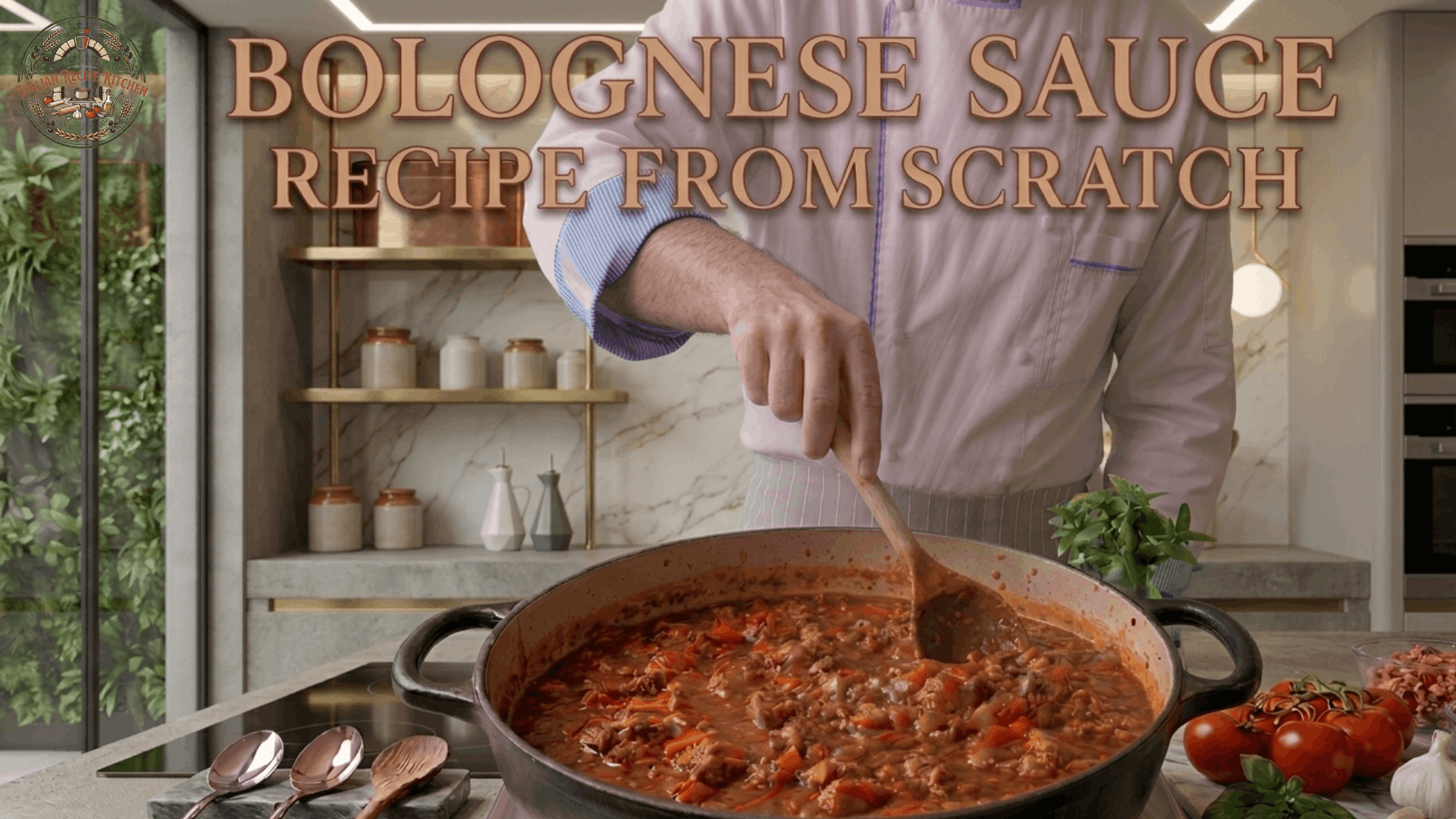
Many people have made a version of meat sauce and called it Bolognese. The truth is, they are not the same thing; there is a difference, and the difference is something you can taste immediately. A rushed sauce made with jarred tomatoes and garlic-heavy seasoning has nothing in common with a true Bolognese. Real Bolognese is slow-cooked, deeply rich, and built with patience, which is very tasty.
The problem is that most online versions of a recipe for Béchamel Sauce cut corners and leave you with something flat and forgettable. This guide fixes all of that. You will get the complete authentic method, every ingredient explained, the reason milk belongs in the sauce, and tips that guarantee a rich, velvety béchamel sauce that tastes as if it came straight from a kitchen in Bologna
Why You Will Love This Bolognese Sauce Recipe
Once you make this version, the shortcuts stop being tempting. Here is what makes this recipe stand apart:
- It uses a combination of ground beef and pork for a richer, more complex meat flavor
- The soffritto base of onion, carrot, and celery melts into the sauce and builds incredible depth
- Slow simmering for two to three hours creates a velvety texture no quick sauce can match
- A splash of whole milk at the end smooths the acidity and rounds out every flavor
- It makes a generous batch that freezes perfectly for future meals
- The sauce gets noticeably better the next day once the flavors have time to settle and develop
What Is Bolognese Sauce? The Story Behind the Name
Bolognese sauce, known in Italy as Ragù alla Bolognese, which is its real name, is a slow-cooked meat sauce that originates from Bologna, the capital of the Emilia-Romagna region in northern Italy. Unlike American-style meat sauces that are heavy on tomatoes and garlic, authentic Bolognese uses only a modest amount of tomato and builds its character from a careful combination of finely chopped vegetables, mixed meats, dry wine, and whole milk.
In 1982, the Accademia Italiana della Cucina officially registered the classic Bolognese recipe with the Bologna Chamber of Commerce. This makes it one of the few Italian dishes with a formally documented traditional recipe. That registered recipe calls for beef, pancetta, onion, carrot, celery, tomato paste, dry white wine, whole milk, and a long simmer, with no garlic and no dried herbs.
What Is the Difference Between Meat Sauce and Bolognese?
This is one of the most searched questions about Italian cooking, and the answer is more significant than most people realize.
| Feature | American Meat Sauce | Authentic Bolognese |
| Tomato content | Heavy, tomato-forward sauce | A small amount of paste or passata |
| Garlic | Usually included | Not used in the traditional version |
| Herbs | Dried oregano, basil, and bay leaf | Minimal, sometimes just bay leaf |
| Meat | Usually just ground beef | Mix of beef and pork plus pancetta |
| Milk | Rarely used | Essential traditional ingredient |
| Cook time | 30 to 45 minutes | Two to three hours minimum |
| Texture | Chunky and saucy | Silky, thick, and meat-forward |
| Wine | Sometimes added | Always added, usually white or red |
Bolognese is not simply a more refined meat sauce. It is a completely different preparation with a different philosophy. Less tomato, more patience, and a balance of fats, acidity, and dairy that creates something uniquely satisfying.
Bolognese Sauce Ingredients: Everything You Need
For the Soffritto Base
- 1 medium white onion, very finely chopped
- 2 medium carrots, very finely chopped
- 2 celery stalks, very finely chopped
- 3 oz pancetta, finely diced
- 3 tablespoons extra virgin olive oil or unsalted butter
For the Meat and Sauce
- 12 oz ground beef, preferably chuck with some fat content
- 6 oz ground pork
- Half a cup of dry white wine or dry red wine
- 2 tablespoons tomato paste
- 1 cup tomato passata or San Marzano crushed tomatoes
- 1 cup whole milk, warmed
- Salt and white pepper to taste
- 1 bay leaf (optional, removed before serving)
Why Does Authentic Bolognese Sauce Include Milk?
This is the ingredient that surprises most people when they read a traditional recipe for the first time because it’s very simple and easy. Milk in a meat sauce sounds unusual, but it is one of the most important and purposeful steps in the entire preparation.
Whole milk serves two functions in Bolognese. First, it neutralizes the natural acidity of the tomatoes and wine, softening any sharpness and rounding out the overall flavor. Second, the proteins in the milk tenderize the ground meat during the long simmer, giving the finished sauce the characteristically silky and smooth texture that is impossible to achieve without it.
Add the warmed milk about 30 minutes before the sauce finishes cooking and let it absorb completely. The result is a sauce that tastes mellow, rich, and deeply balanced, and it is very simple to make.
Equipment You Will Need
You do not need anything special, but the right tools make the process easier:
- A large heavy-bottomed pot or Dutch oven for even heat and a long simmer without scorching
- A sharp knife and cutting board for very fine soffritto preparation
- A wooden spoon for breaking up the meat and stirring throughout
- A ladle for adding warm liquids gradually without dropping the temperature
Step by Step: How to Make Bolognese Sauce
Step 1: Cook the Soffritto Low and Slow
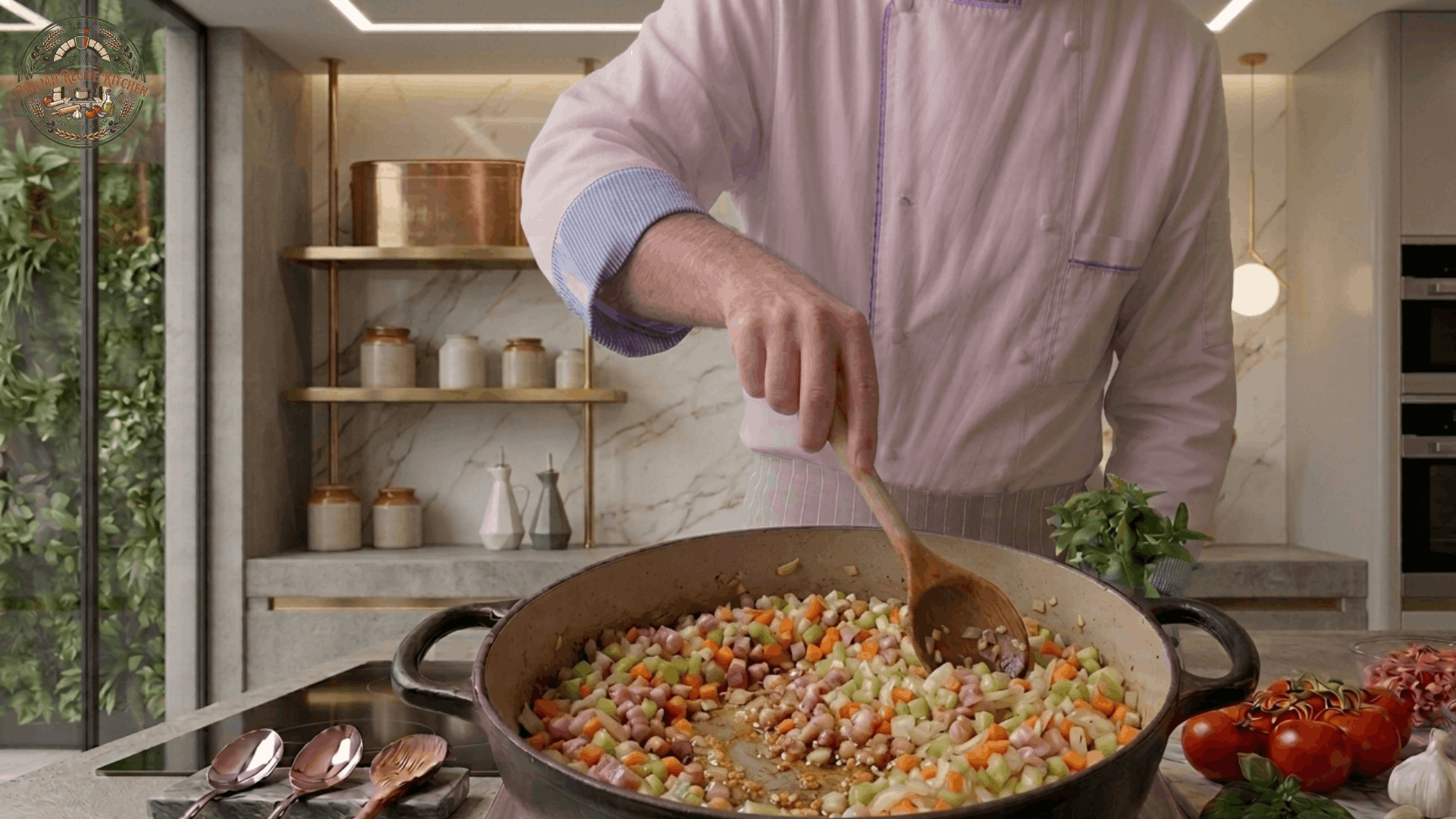
Heat the olive oil or butter in your heavy pot over medium-low heat. Add the finely diced pancetta and cook for two minutes until it starts to render its fat. Add the chopped onion, carrot, and celery and stir to combine.
Cook the mixture on low heat for eight to ten minutes, stirring occasionally, until the vegetables are completely soft and the onion turns translucent. Do not rush this step, and do not allow anything to brown. The soffritto is the flavor backbone of the entire sauce.
Step 2: Brown the Meat Properly
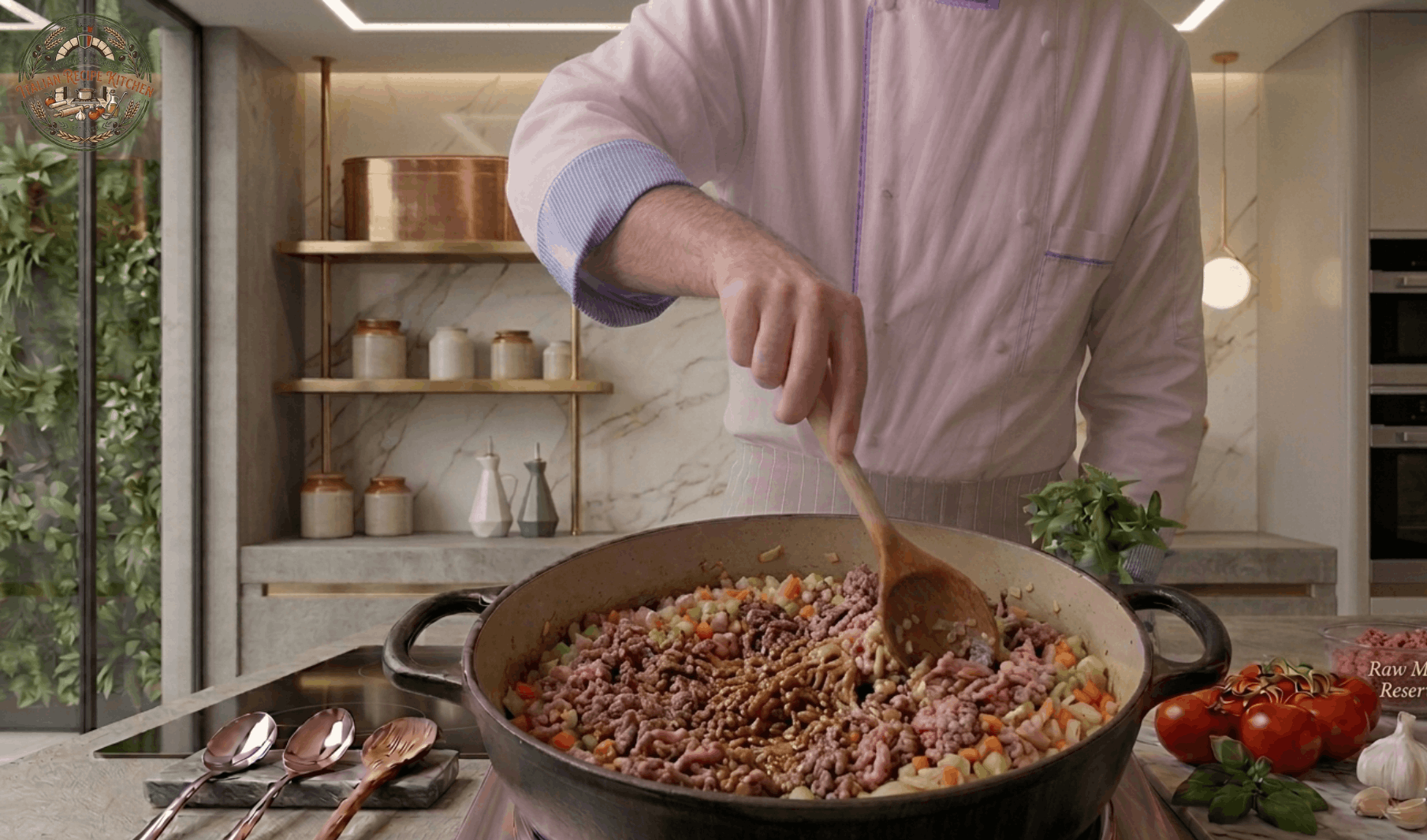
Increase the heat to medium-high. Add the ground beef and pork in one layer over the softened vegetables. Use a wooden spoon to break the meat into very fine pieces as it cooks. Keep stirring and breaking until every piece is browned with no pink remaining.
Proper browning creates savory depth through the Maillard reaction and is what separates a flat sauce from a deeply flavorful one.
Step 3: Deglaze with Wine
Pour the wine over the browned meat and stir well. Raise the heat to high and let the wine cook for two to three minutes until the alcohol has fully evaporated and the liquid has mostly absorbed.
You will know the alcohol is gone when the sharp smell fades, and the sauce smells mellow and concentrated. Wine adds complexity and deglazes all the flavorful bits stuck to the bottom of the pot.
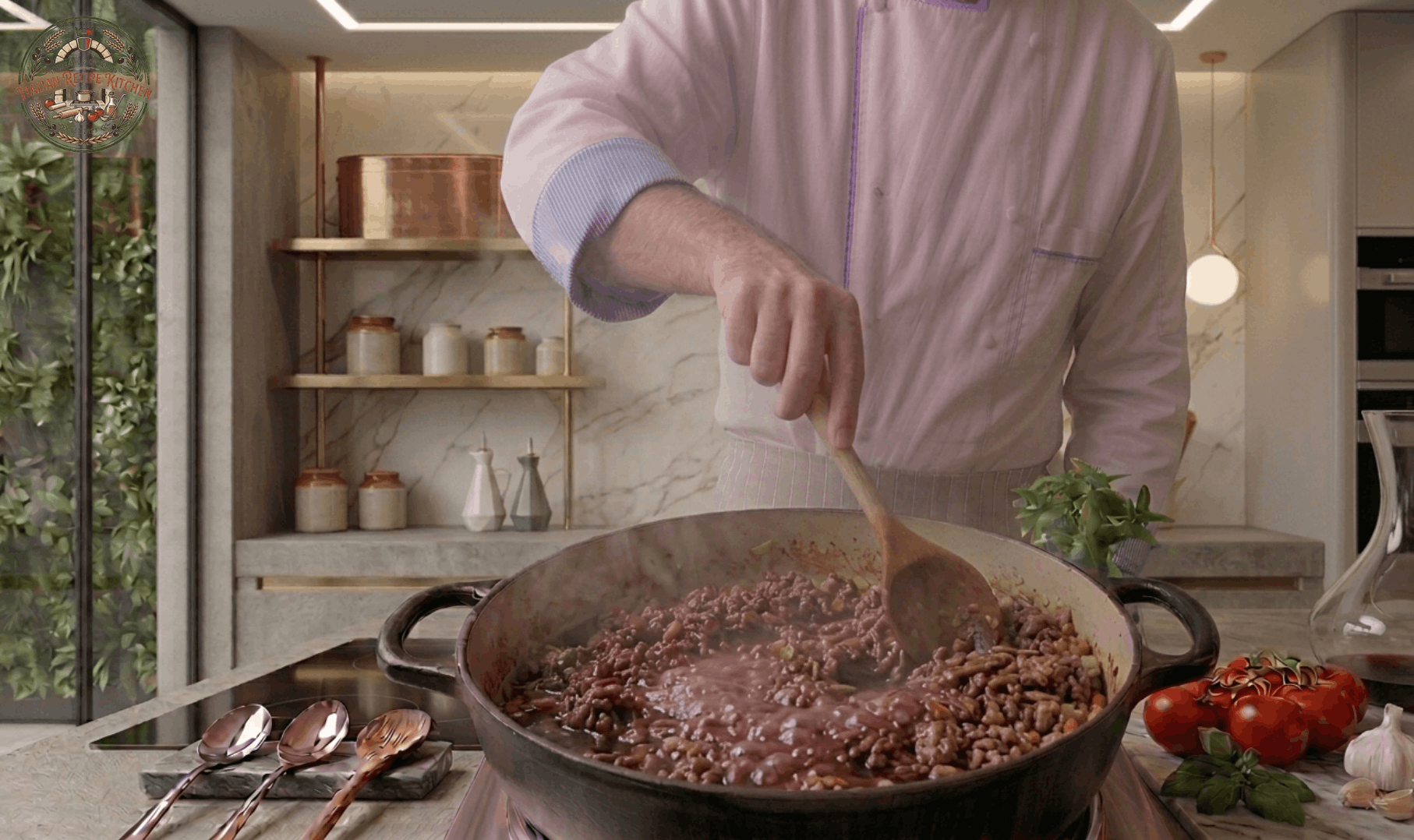
Step 4: Add Tomato and Start the Long Simmer
Stir in the tomato paste and cook for one minute until it darkens slightly. Add the tomato passata and stir everything together thoroughly. Add the bay leaf if using. Reduce the heat to the lowest setting your stove allows.
Partially cover the pot and let the sauce simmer very gently for two to three hours, stirring every twenty to thirty minutes. Add a small splash of warm water or broth if the sauce looks too dry at any point during cooking.
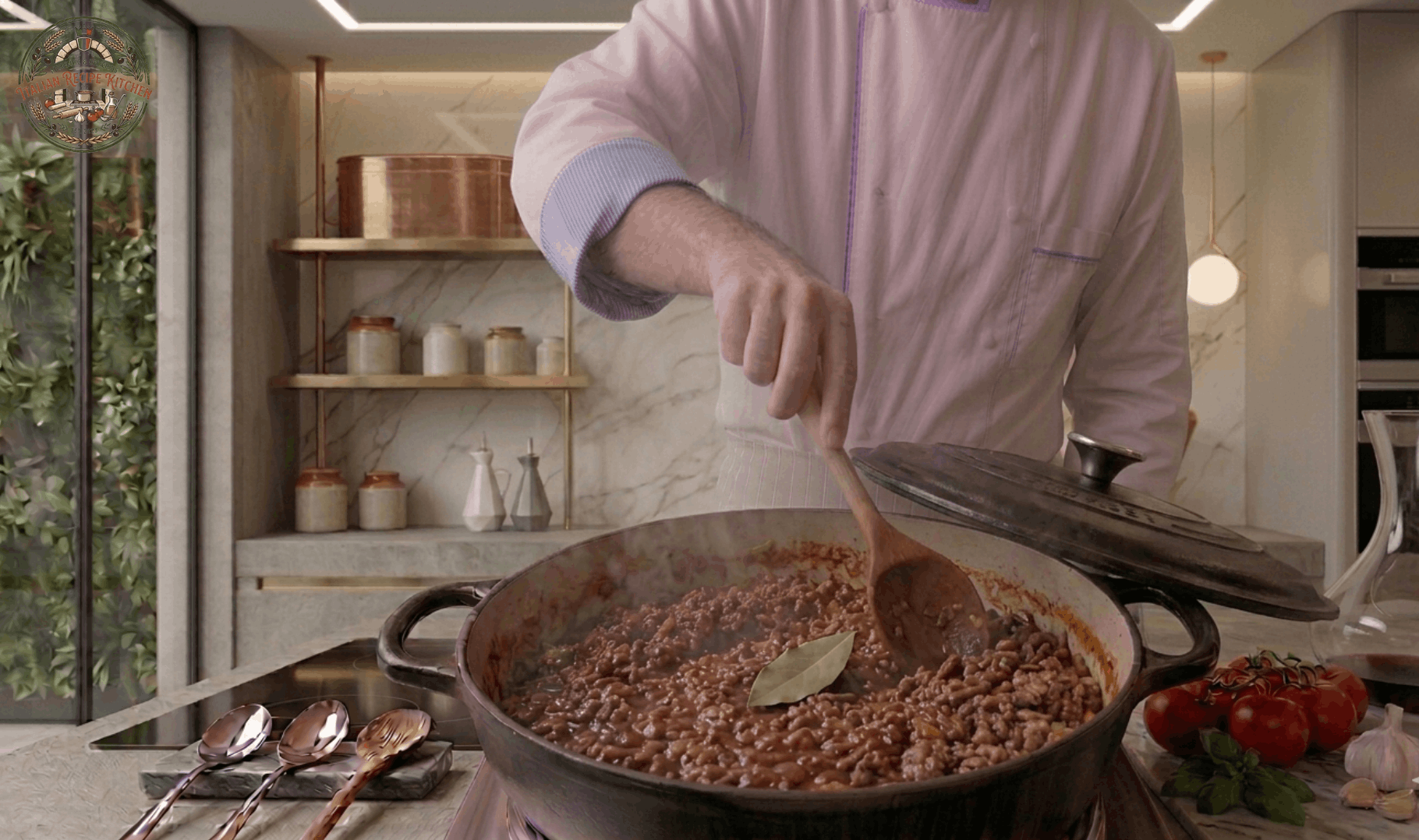
Step 5: Finish with Warm Milk
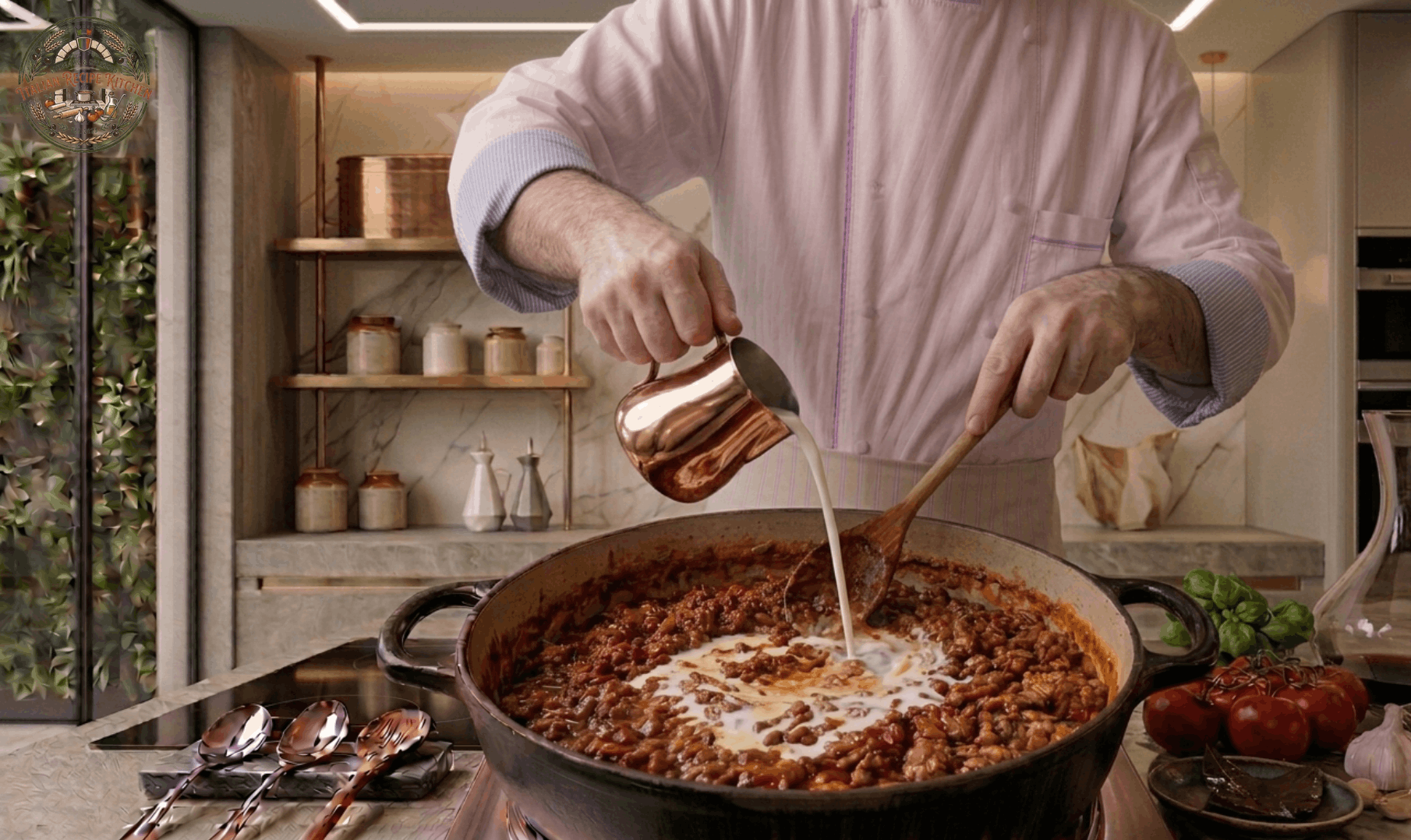
About 30 minutes before the sauce is done, pour in the warmed whole milk slightly. Stir it in completely and let the sauce continue simmering uncovered so the milk is fully absorbed into the meat. This is the step that transforms the sauce from good to genuinely exceptional. Remove the bay leaf, taste, and adjust salt and pepper before serving.
Helpful Ingredient Swaps When You Need Them
| Original Ingredient | Best Substitution |
| Ground pork | Italian sausage (remove casings) or all beef |
| Pancetta | Unsmoked bacon or prosciutto ends |
| Dry white wine | Dry red wine or unsalted beef broth |
| Tomato passata | San Marzano crushed tomatoes, blended smooth |
| Whole milk | Heavy cream for extra richness |
| Butter | Extra virgin olive oil |
Expert Tips for the Best Bolognese Every Time
These habits make the difference between a good sauce and one that people ask you to make again and again:
- Chop the soffritto vegetables as finely as possible so they melt completely into the sauce
- Use a combination of beef and pork rather than beef alone for a deeper, more rounded flavor
- Never rush the simmer. Two hours minimum; three hours produce the best result
- Always warm the milk before adding it to prevent the sauce temperature from dropping suddenly
- Add the wine on high heat and cook until the alcohol smell is completely gone before adding the tomato
- Make the sauce a day ahead when possible, as the flavor develops significantly overnight
- Use a Dutch oven or heavy pot rather than a thin pan to prevent scorching during the long simmer
- Do not add garlic if you want the authentic Bologna version. It changes the flavor profile significantly
Storage and Make-Ahead Tips
Bolognese is one of the best sauces to make ahead of time because the flavor genuinely improves with rest.
Refrigerating
Cool the sauce completely and store it in an airtight container in the refrigerator for up to four days. Reheat gently on the stovetop over low heat, adding a splash of water or broth to loosen it if needed.
Freezing
Bolognese freezes beautifully. Portion it into freezer-safe containers or bags, label with the date, and freeze for up to three months. Thaw overnight in the refrigerator and reheat slowly on the stovetop while stirring. Many experienced cooks specifically make a double batch to fill the freezer with future dinners.
What to Serve with Bolognese Sauce
In Bologna, the traditional answer is always fresh egg tagliatelle. The broad ribbon shape was specifically designed to hold the thick, meat-forward sauce in every forkful. The Accademia Italiana della Cucina even specified the exact width of tagliatelle to serve with authentic ragù.
Here are the best serving options:
- Fresh egg tagliatelle: The classic and most traditional pairing from Bologna
- Pappardelle: Wide, flat ribbons that carry the sauce beautifully
- Rigatoni or penne: Short tubes that trap meat in every bite for a heartier result
- Lasagna sheets: Layered with béchamel for the iconic Bolognese lasagna
- Creamy polenta: A wonderful gluten-free alternative that absorbs the sauce perfectly
Never serve Bolognese with spaghetti if you want to follow Italian tradition. The thin, smooth surface of spaghetti cannot hold the chunky meat sauce.
What Is Bolognese Sauce Good For?
Beyond pasta, this sauce is surprisingly versatile:
- Layered into classic Bolognese lasagna with bechamel and pasta sheets
- Spooned over creamy polenta for a hearty northern Italian-style dinner
- Used as a filling for stuffed bell peppers or eggplant
- Piled onto baked potatoes with a sprinkle of parmesan and fresh parsley
- Tossed with potato gnocchi for a rich and warming alternative to pasta
- Spread inside baked calzones or stuffed bread for a savory handheld meal
Nutrition Information (Per Serving, Approximately Three-Quarters Cup)
| Nutrient | Approximate Amount |
| Calories | 345 kcal |
| Protein | 25g |
| Carbohydrates | 10g |
| Fat | 22g |
| Saturated Fat | 8g |
| Fiber | 2g |
| Iron | 3.4mg |
| Sodium | 510mg |
Values are approximate and will vary depending on the specific meat blend, fat content, and portion size used.
Final Thoughts
Bolognese sauce rewards patience in a way that very few recipes can. The ingredients are simple, affordable, and already in most kitchens. The technique is completely learnable. But the time you give it is everything. Even starting from a solid recipe for Béchamel Sauce foundation, two to three hours of gentle simmering transform a handful of ordinary ingredients into something genuinely magnificent.
The soffritto melts into the meat, the wine adds depth, and the milk at the end ties everything together into a silky, balanced sauce that no shortcut can replicate. Make it once the right way, and you will understand immediately why this sauce has been protected, celebrated, and passed down through generations in Bologna. It is absolutely worth every minute.
Frequently Asked Questions
What cut of beef is best for Bolognese sauce?
Ground chuck with a higher fat content gives the richest flavor and the best texture after the long simmer.
Do I need to use both beef and pork?
Using both creates a more complex and traditional flavor, but all beef works if that is what you have available.
Can I make Bolognese without wine?
Yes, replace the wine with unsalted beef broth, but wine adds a depth and complexity that broth alone cannot fully replicate.
Why does my Bolognese taste acidic?
Not cooking the sauce long enough or skipping the milk step are the most common causes. Both the long simmer and the milk reduce acidity significantly.
How do I make Bolognese in a slow cooker?
Brown the meat and soffritto on the stovetop first, then transfer everything to the slow cooker. Cook on low for six to eight hours or on high for four to six hours.
Is there garlic in authentic Bolognese sauce?
No. The officially registered traditional recipe from Bologna does not include garlic. Adding it changes the flavor profile away from the authentic version.
Can I freeze Bolognese sauce with pasta already mixed in?
It is much better to freeze the sauce separately. Already-mixed pasta absorbs the sauce during freezing and loses its texture when reheated.