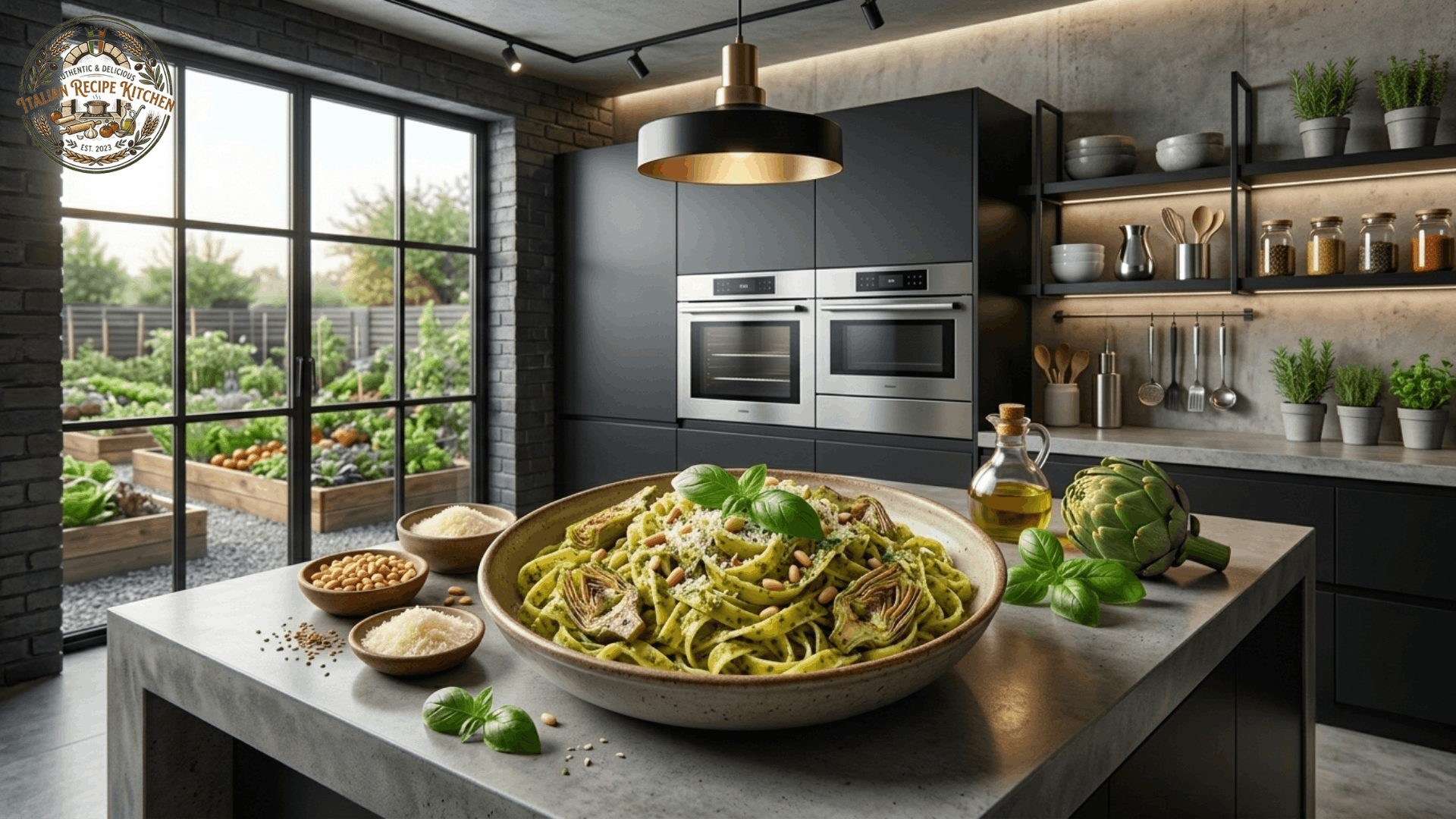
Artichoke Pesto Pasta
Ingredients
Equipment
Method
- Bring a large pot of generously salted water to a boil.
- Cook the pasta until al dente according to the package directions.
- Reserve ¼ cup of the pasta water, then drain the pasta.
- While the pasta cooks, add the artichoke hearts, basil, Parmesan cheese, pine nuts, garlic, olive oil, lemon juice, lemon zest, salt, and black pepper to a food processor.
- Blend until mostly smooth, scraping down the sides as needed.
- Let the pesto rest for 5 minutes to allow the flavors to meld.
- Transfer the hot pasta to a large mixing bowl.
- Add the artichoke pesto and toss until evenly coated.
- Stir in the reserved pasta water a little at a time until the sauce reaches a silky consistency.
- Garnish with extra Parmesan cheese and fresh basil.
- Serve immediately.
Notes
- Toast the pine nuts before blending for a richer flavor.
- Freshly grated Parmesan gives the smoothest pesto.
- Add grilled chicken, shrimp, or salmon for extra protein.
- Store leftover pesto separately in the refrigerator for up to 3 days.
- Freeze the pesto for up to 2 months without the cheese, then stir in the Parmesan after thawing.
Weeknight dinners often come down to a frustrating choice between something quick and something actually good. Most fast pasta dishes feel bland and forgettable, while recipes with real depth take far too long on a busy evening.
Artichoke pesto pasta solves that problem completely. It comes together in about 30 minutes, uses mostly pantry staples, and delivers a creamy, deeply flavorful sauce that tastes like you spent far more time and effort than you actually did.
This guide covers everything from making the pesto from scratch to smart shortcuts, optional toppings, storage tips, and the nutritional benefits of artichokes so you feel confident making this dish anytime. If you enjoy comforting homemade meals, an Italian Baked Ziti Recipe is another classic worth trying for an easy and satisfying family dinner.
Why This Recipe Will Become a Weekly Staple
Before you start cooking, here is why so many home cooks put this recipe on permanent repeat:
- The artichoke pesto comes together in a food processor in under five minutes
- It is naturally vegetarian and easy to adapt for vegan diets
- The sauce is rich and creamy without any actual cream in the base pesto
- It uses affordable, easy-to-find ingredients, including canned or frozen artichoke hearts
- The whole dish is ready in the same time it takes to boil a pot of pasta
- Leftovers keep well and reheat beautifully for lunch the next day
- Kids and adults both love the mild, savory, slightly nutty flavor
What Goes Into Artichoke Pesto Pasta: Full Ingredients
For the Artichoke Pesto
- 1 can (14 oz) artichoke hearts in water, drained and rinsed
- 1 cup fresh basil leaves, packed
- Half a cup of toasted walnuts or pine nuts
- 2 garlic cloves
- Half a cup of grated Parmigiano Reggiano
- 3 tablespoons fresh lemon juice
- Half a cup of extra virgin olive oil
- Salt and black pepper to taste
For the Pasta
- 12 oz pasta of your choice (linguine, penne, fusilli, or spaghetti)
- 1 cup reserved pasta cooking water
- Extra Parmesan for serving
- Optional: a drizzle of olive oil to finish
Optional Toppings to Elevate the Dish
- Freshly torn basil leaves or flat-leaf parsley
- Toasted pine nuts or crushed walnuts for crunch
- A pinch of red pepper flakes for gentle heat
- Shaved or grated Parmigiano Reggiano
- Halved cherry tomatoes for brightness and color
- A squeeze of fresh lemon juice just before serving
- Crispy capers fried in olive oil for a briny, salty contrast
Ingredient Notes and Smart Substitutions
Good ingredients make a noticeable difference in this recipe. Here is what to know about each key component and how to swap things out when needed:
| Ingredient | Notes | Best Substitution |
| Canned artichoke hearts | Use in water, not marinated in oil | Frozen artichokes, thawed and drained |
| Fresh basil | Do not use dried basil, ever | Flat-leaf parsley or a mix of both |
| Walnuts | Affordable and creamy, great choice | Pine nuts, pistachios, or almonds |
| Parmigiano Reggiano | Freshly grated gives the best flavor | Pecorino Romano or Grana Padano |
| Extra virgin olive oil | Use a quality single-origin oil | Avocado oil is a neutral option |
| Lemon juice | Fresh is always better than bottled | White wine vinegar in a pinch |
| Linguine or penne | Long pasta works beautifully | Any pasta shape you prefer |
For a vegan version, simply replace the parmesan with nutritional yeast and use the same quantity. The sauce remains creamy and flavorful with a similar savory depth.
Kitchen Equipment You Will Need
This recipe is wonderfully low-tech. Here is what to have ready:
- A food processor or high-speed blender for making the pesto
- A large pot for boiling pasta
- A ladle or measuring cup for reserving pasta water
- A large mixing bowl or skillet for tossing everything together
- A wooden spoon or tongs for combining the pasta and sauce
How to Make Artichoke Pesto Pasta Step by Step
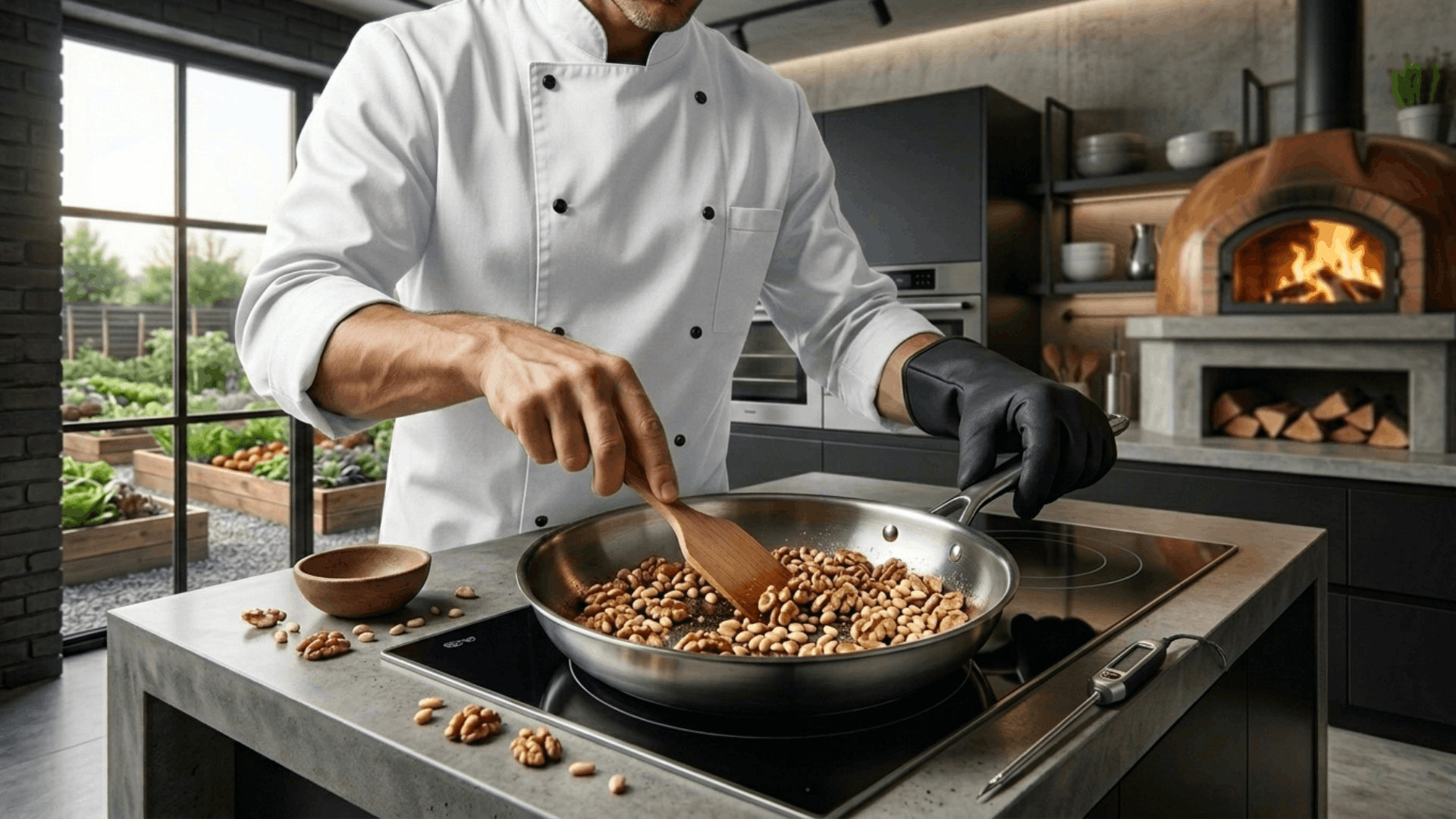
Step 1: Toast the Nuts
Place the walnuts or pine nuts in a dry skillet over medium-low heat. Toast them for three to four minutes, stirring often, until they smell fragrant and turn lightly golden. Toasting releases the natural oils in the nuts and adds a warm, slightly nutty depth to the finished pesto that raw nuts simply cannot provide.
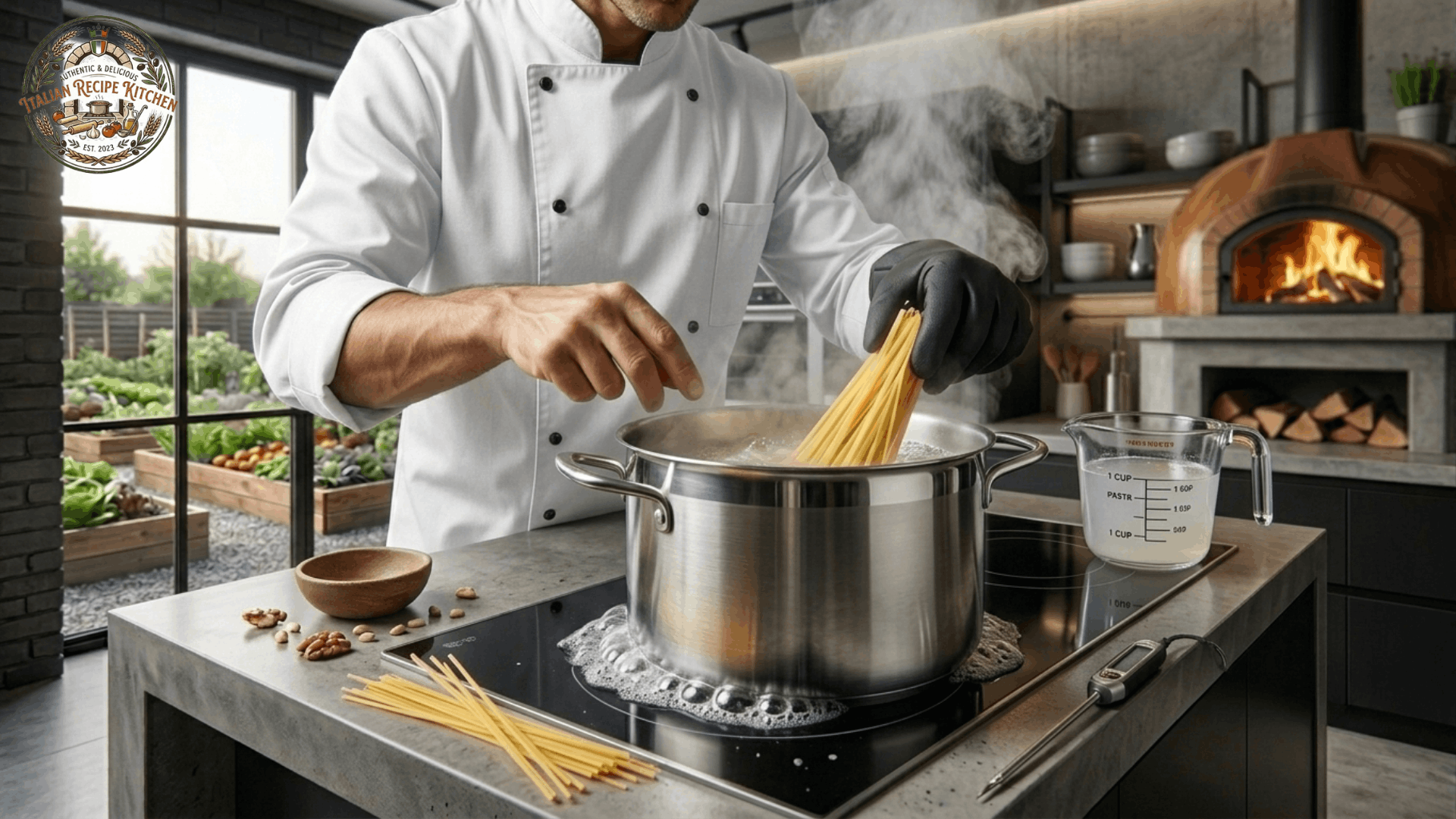
Step 2: Cook the Pasta
Bring a large pot of water to a rolling boil and season it generously with salt. It should taste lightly like mild broth. Add your pasta and cook it according to the package instructions until al dente. Before draining, scoop out at least one full cup of the starchy pasta cooking water and set it aside. This liquid is the secret to a silky sauce that clings to every strand.
Step 3: Make the Artichoke Pesto
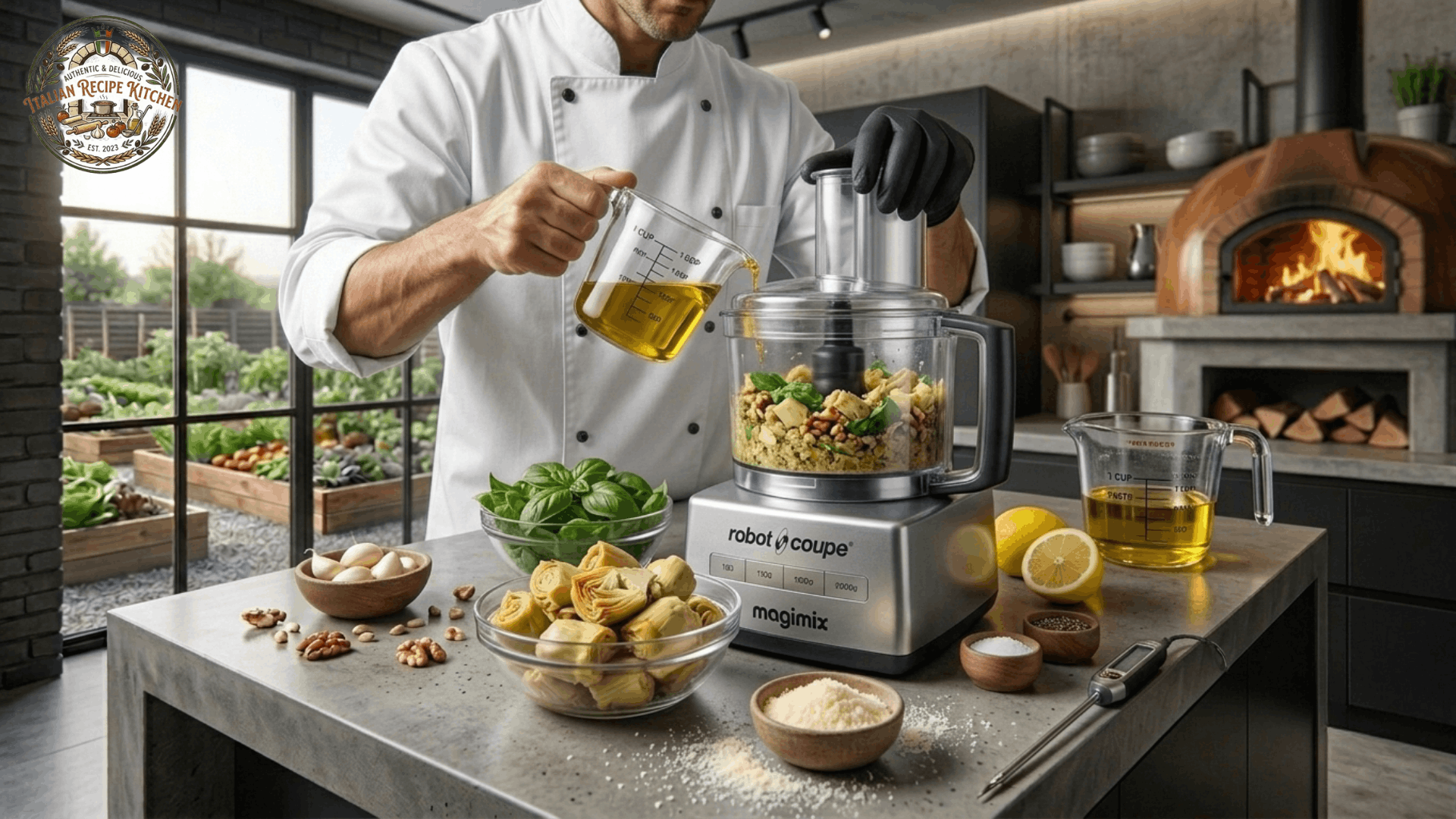
While the pasta cooks, add the drained artichoke hearts, basil, toasted walnuts, garlic, lemon juice, salt, and pepper to the food processor. Pulse several times until the mixture is finely chopped and begins to form a paste.
Scrape down the sides as needed. With the motor running, slowly drizzle in the olive oil through the chute until a thick, smooth paste forms with some texture remaining. Stir in the grated Parmesan by hand after blending to preserve its texture.
Step 4: Combine Pasta and Pesto
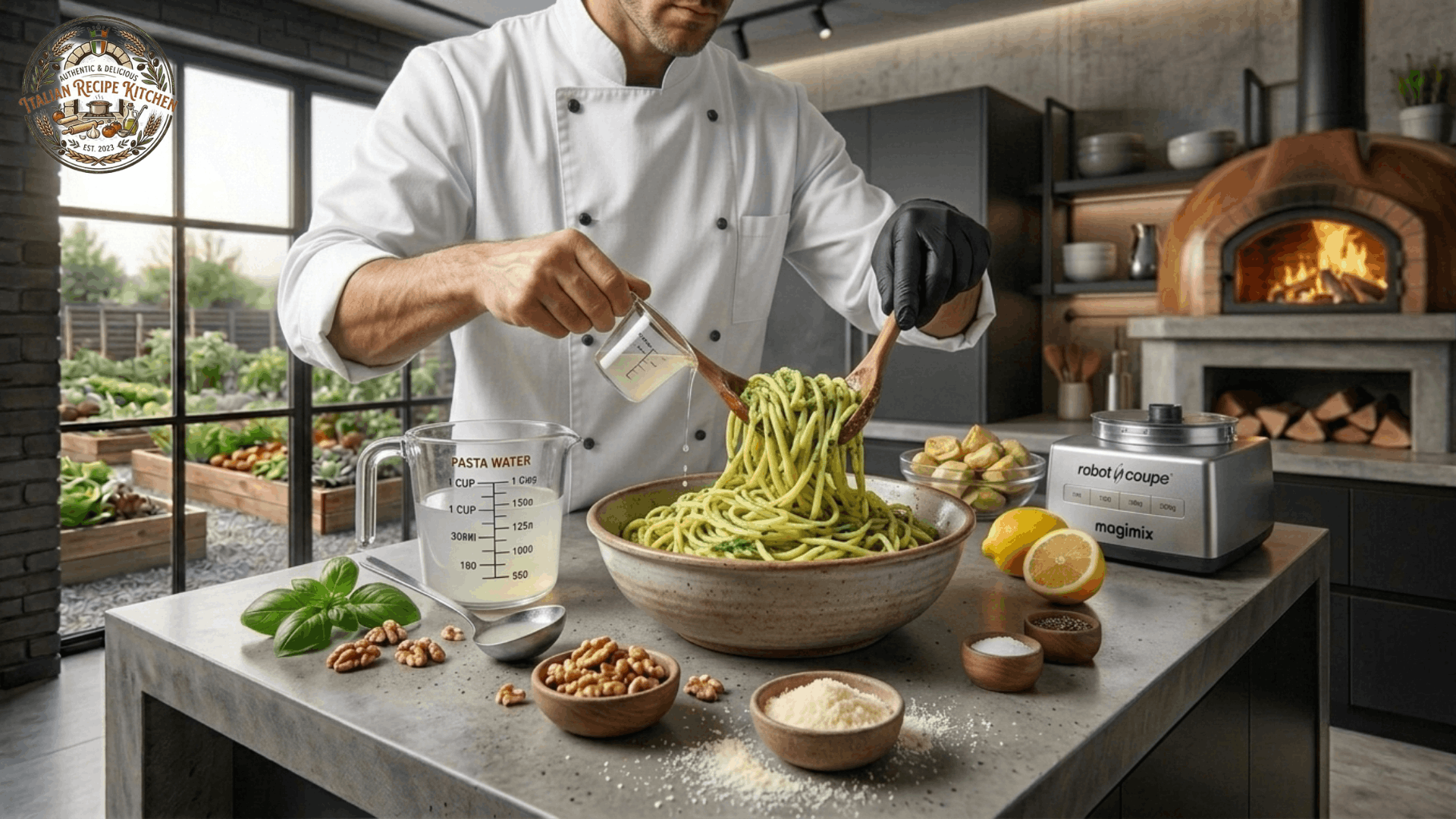
Transfer the hot, drained pasta directly into a large mixing bowl with the artichoke pesto. Add three to four tablespoons of the reserved pasta water and toss everything together vigorously. The warm pasta and starchy water help loosen the pesto into a silky, coating sauce.
Add more pasta water one tablespoon at a time, until the sauce reaches your preferred consistency. Taste and adjust salt and lemon before serving.
Step 5: Plate and Top
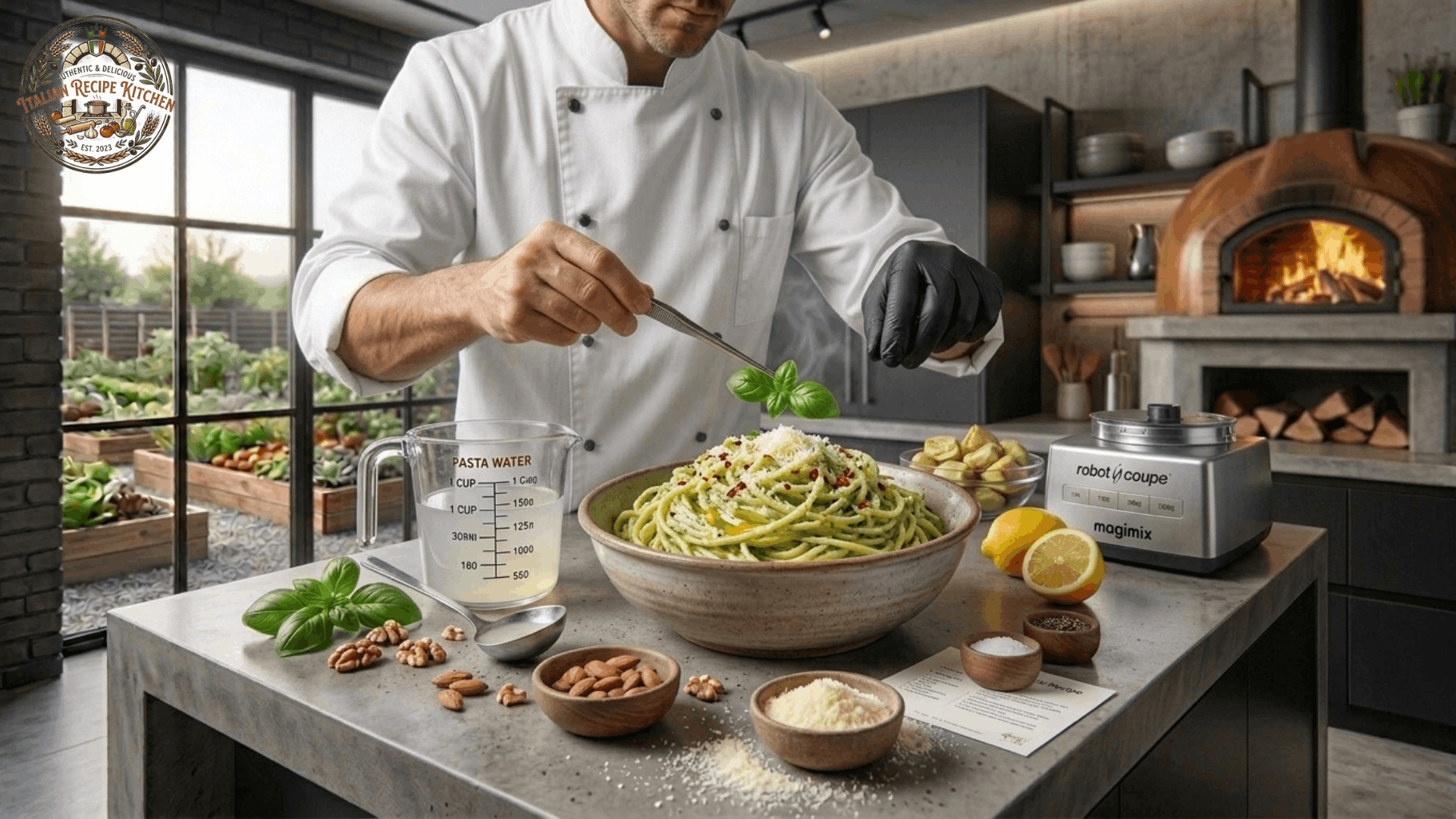
Divide the pasta into bowls and add your chosen toppings. A sprinkle of extra parmesan, a few fresh basil leaves, a pinch of red pepper flakes, and a final drizzle of olive oil take this from a good weeknight meal to something truly impressive. Serve immediately while everything is hot and the sauce is at its creamiest.
How to Make Artichoke Pesto from Scratch: Tips for the Best Result
Making pesto from scratch takes less than ten minutes, and the flavor difference compared to store-bought is genuinely remarkable. Here are the steps in their simplest form:
- Toast your nuts first for the deepest flavor
- Pulse the solid ingredients before adding the oil so the processor does the work
- Drizzle the oil slowly while the machine runs for the smoothest emulsion
- Add cheese after blending to keep the texture from turning grainy
- Taste and adjust lemon, salt, and garlic before adding to the pasta
- Use the pesto immediately or press plastic wrap directly against the surface to prevent browning from oxidation
What Is the Best Store-Bought Pesto for This Recipe?
If you are short on time, store-bought pesto works perfectly in this dish. Since the artichoke hearts add their own character and creaminess, a good quality basil pesto from a jar blends in seamlessly. Look for pesto sold in the refrigerated section of the grocery store rather than the shelf-stable variety. Refrigerated pesto contains fresher basil and better quality olive oil, which makes a real difference in flavor. Stir in a tablespoon of lemon juice and extra Parmesan into the jar pesto before using to brighten it up, a trick that also works well in a Creamy Lemon Spinach Orzo Recipe for even fresher flavor.
Are Artichokes Actually Good for You?
Artichokes are one of the most nutritionally impressive vegetables available, and they deserve far more attention than they typically get. Here is why adding them to your pasta is a genuinely smart choice:
- Artichokes are packed with dietary fiber, which supports healthy digestion and keeps you feeling full
- They are an excellent source of vitamin C, vitamin K, folate, and potassium
- Artichoke hearts contain cynarin, a natural compound that supports liver function and bile production
- They are low in calories but high in antioxidants that help reduce inflammation
- The fiber in artichokes feeds beneficial gut bacteria and supports long-term digestive health
- They are naturally gluten-free, low in fat, and suitable for most dietary approaches
One cup of cooked artichoke hearts contains roughly 60 calories with 7 grams of fiber, making them one of the most fiber-dense vegetables in the produce section.
Creative Variations Worth Trying
Once you love the base recipe, explore these popular twists:
- Creamy artichoke pesto pasta: Stir two tablespoons of heavy cream or mascarpone into the pesto for an ultra-rich version
- Chicken artichoke pesto pasta: Add sliced pan-seared chicken breast on top for a more filling meal
- Lemon artichoke pasta: Double the lemon juice and add lemon zest for a bright, citrus-forward version
- Roasted artichoke pesto pasta: Roast canned artichokes at 400 degrees for 20 minutes before blending for a deeper, caramelized flavor
- Artichoke pesto with spinach: Add a large handful of baby spinach to the food processor with the other pesto ingredients for extra greens
Pro Tips From the Kitchen
These small habits make a big difference in your finished dish:
- Always reserve pasta water before draining. Once it is gone, it cannot be replaced, and nothing else works the same way
- Dress the pasta while it is still hot so the pesto melts into the noodles instead of sitting on top
- Do not over-blend the pesto. A little texture from the nuts and artichokes makes every bite more interesting
- If the pesto tastes flat, add more lemon juice before adding more salt. Acidity wakes up flavors immediately
- Use a wide mixing bowl rather than a narrow pot for tossing, so the pasta coats evenly
What to Serve with Artichoke Pesto Pasta
This dish is satisfying on its own, but these pairings round it out beautifully:
- A simple arugula salad with lemon vinaigrette and shaved parmesan
- Garlic focaccia or crusty ciabatta bread for soaking up extra pesto
- Roasted cherry tomatoes on the vine as a warm side
- A light Caprese salad with fresh mozzarella and basil
- A glass of crisp Italian white wine like Pinot Grigio or Vermentino
Storage and Freezing Guide
Storing Leftovers
Store leftover artichoke pesto pasta in an airtight container in the refrigerator for up to three days. When reheating, add a splash of water or a small drizzle of olive oil and warm gently in a skillet over low heat. Stir frequently so the pesto loosens back to a saucy consistency.
Freezing the Pesto Separately
The artichoke pesto itself freezes beautifully for up to two months. Spoon it into an ice cube tray and freeze until solid, then transfer the cubes to a freezer bag. Thaw overnight in the refrigerator or drop a cube directly into hot pasta with a splash of pasta water and stir to combine. Do not freeze already-combined pasta and pesto together, as the texture suffers significantly. These same storage tips also work well for Authentic Busiate with Trapanese Pesto, helping preserve its fresh flavor and texture.
Nutrition Information (Per Serving, Approximately 1.5 Cups)
| Nutrient | Approximate Amount |
| Calories | 420 kcal |
| Protein | 14g |
| Carbohydrates | 52g |
| Fat | 18g |
| Fiber | 6g |
| Vitamin C | 15% Daily Value |
| Calcium | 180mg |
| Iron | 3.1mg |
Values are approximate and vary based on pasta type, nut choice, and amount of olive oil used.
Final Thoughts
Artichoke pesto pasta proves that a genuinely delicious weeknight dinner does not require a long ingredient list or hours in the kitchen. The artichoke pesto comes together in minutes, coats the pasta in a creamy, savory sauce, and delivers a flavor that feels far more special than the effort involved. Whether you make the pesto from scratch or use a quality store-bought version as the base, this dish is endlessly customizable, genuinely nourishing, and the kind of recipe that earns a permanent place in your regular rotation. Make it once, and it will quickly become your go-to answer for any night when you want something fast, impressive, and truly satisfying.
Frequently Asked Questions
Can I use marinated artichoke hearts instead of canned in water?
You can, but they add extra oil and seasoning that may overpower the pesto. Canned artichokes in water give a cleaner, more balanced flavor.
What is the best pasta shape for artichoke pesto pasta?
Long pasta like linguine or spaghetti coats beautifully, while short shapes like penne or fusilli trap the chunky pesto in every piece.
Why do I need to reserve pasta water?
The starchy pasta water helps thin the thick pesto into a silky sauce that clings to the pasta instead of clumping or sliding off.
Can I make artichoke pesto pasta without a food processor?
Yes, finely chop all the pesto ingredients by hand and mix with olive oil to form a chunky paste. A blender or immersion blender also works well.
Is artichoke pesto pasta suitable for vegans?
Replace the Parmesan with nutritional yeast in the same quantity, and the entire dish becomes fully plant-based and vegan-friendly.
How long does homemade artichoke pesto last in the fridge?
Store it in a jar with a thin layer of olive oil pressed over the surface, and it keeps well in the refrigerator for up to five days.
Can I add protein to this pasta?
Yes. Grilled chicken, sautéed shrimp, white beans, or crispy chickpeas all pair beautifully and make the dish more filling.