Italian Mac and Cheese Recipe
Ingredients
Equipment
Method
- Preheat the oven to 375°F (190°C).
- Bring a large pot of salted water to a boil and cook the pasta until al dente, about 1–2 minutes less than the package directions.
- Drain the pasta and set aside.
- Melt the butter in a medium saucepan over medium heat.
- Whisk in the flour and cook for 1 minute.
- Gradually whisk in the milk and heavy cream until smooth.
- Cook for 3–5 minutes, stirring constantly, until the sauce begins to thicken.
- Add the garlic powder, onion powder, Italian seasoning, salt, and black pepper.
- Reduce the heat to low and stir in the mozzarella, Fontina, and Parmesan until melted and smooth.
- Fold the cooked pasta into the cheese sauce until evenly coated.
- Transfer the mixture to a greased 9×13-inch baking dish.
- Mix the breadcrumbs, Parmesan, and melted butter, then sprinkle evenly over the pasta.
- Bake for 20–25 minutes, or until the topping is golden brown and the cheese is bubbling.
- Remove from the oven and let the mac and cheese rest for 10 minutes before serving to allow the sauce to set.
Notes
- Freshly grated cheese melts more smoothly than pre-shredded cheese.
- Don't overcook the pasta before baking, as it will continue cooking in the oven.
- Add cooked Italian sausage, pancetta, grilled chicken, or sautéed mushrooms for extra flavor.
- Store leftovers in an airtight container in the refrigerator for up to 4 days.
- Reheat with a splash of milk to restore the creamy texture.
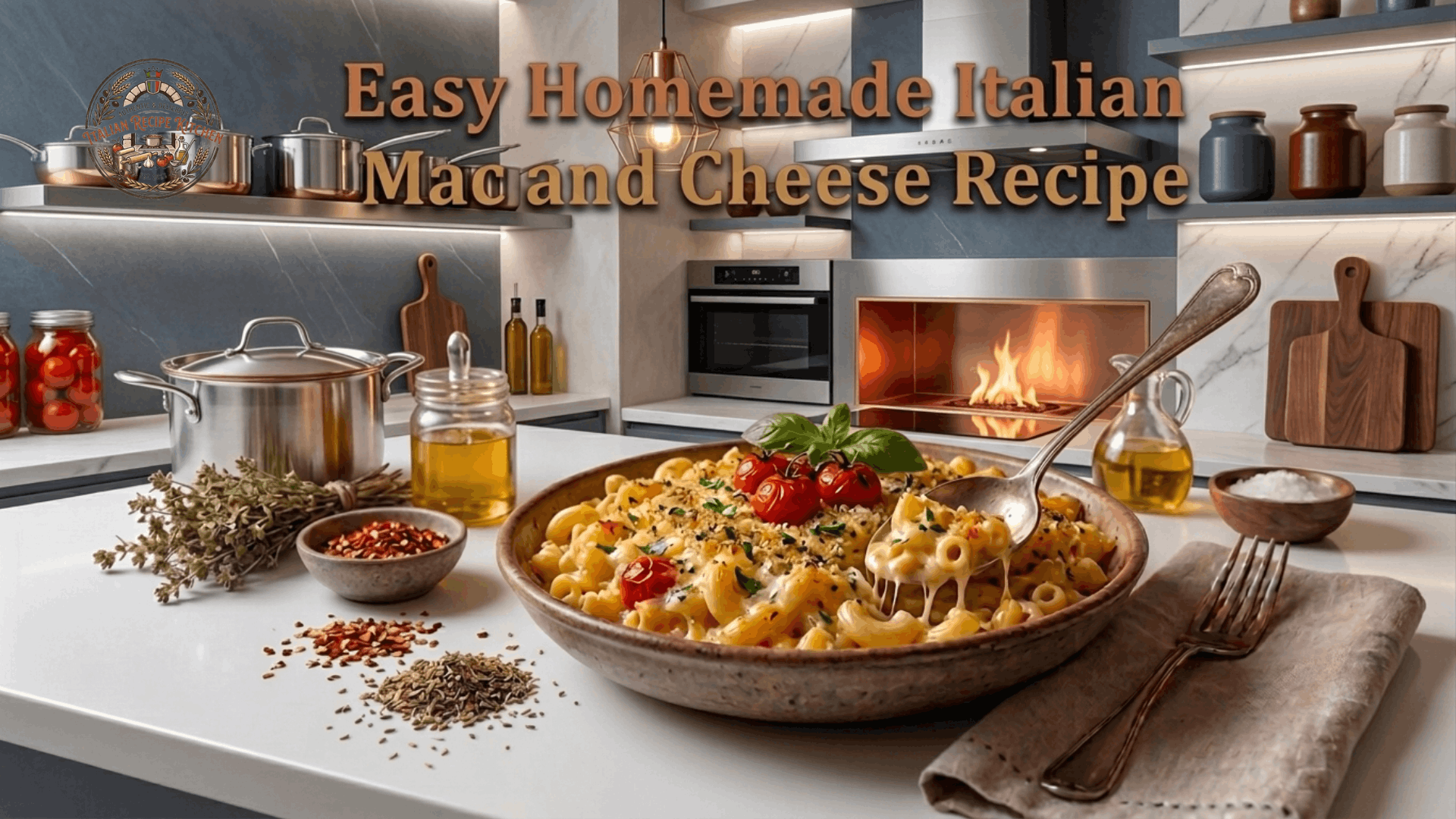
Everyone loves mac and cheese, but if you have only ever made the version from a blue box, you are missing out on something truly special. The standard American version is fine for a quick fix, but it lacks depth, richness, and real character. An Italian mac and cheese recipe solves all of that in one dish.
It takes the same comforting idea, swaps in a blend of bold Italian cheeses, builds a silky homemade sauce, and delivers something so much more satisfying that you will never look back. Whether you want a cozy weeknight dinner or a crowd-pleasing side dish, this recipe is the answer. If you’re craving a hearty pasta meal, Quick Lamb Ragu with Pappardelle is another excellent choice for a comforting Italian dinner.
What Is Italian Mac and Cheese?
Italian mac and cheese is a rich, creamy baked pasta dish that replaces the traditional American cheddar-based sauce with a blend of authentic Italian cheeses. Instead of relying on processed cheese or powdered mixes, this version uses a classic roux-based béchamel sauce enriched with mozzarella, fontina, parmesan, and sometimes provolone or pecorino Romano. Like Italian Pasta with Cherry Tomatoes, it highlights authentic Italian ingredients and simple techniques to create incredible flavor.
Think of it as mac and cheese on an Italian vacation, swapping sharp cheddar for a quartet of Italian cheeses that bring creaminess, stretch, and sharp, salty depth to every bite. It draws inspiration from pasta al forno, the beloved Italian tradition of oven-baked pasta casseroles that have been warming Italian homes for generations.
Why You Will Keep Coming Back to This Recipe
This is not just another pasta dish. Here is why this Italian mac and cheese recipe earns a permanent spot in your cooking rotation:
- It uses real Italian cheeses that melt beautifully and taste far more complex than standard cheddar
- The bechamel sauce base keeps everything incredibly creamy without becoming greasy
- It comes together in under 45 minutes from start to finish
- The golden breadcrumb topping adds a satisfying crunch that contrasts with the soft, saucy pasta underneath
- It is easy to customize with protein, vegetables, or extra spice
- Leftovers reheat well and taste just as good the next day
- Both adults and kids absolutely love it, making it a true crowd pleaser
A Quick Overview Before You Start
Here is a snapshot of what this recipe involves so you know what to expect:
| Detail | Info |
| Prep Time | 15 minutes |
| Cook Time | 25 to 30 minutes |
| Total Time | Under 45 minutes |
| Servings | 4 to 6 people |
| Difficulty Level | Easy to Intermediate |
| Best Pasta Shape | Penne, rigatoni, or cavatappi |
| Cooking Method | Stovetop, then oven-baked |
Ingredients You Will Need
For the Pasta and Sauce
- 12 oz penne, rigatoni, or cavatappi pasta
- 3 tablespoons unsalted butter
- 3 tablespoons all-purpose flour
- 2 and a half cups whole milk, warmed
- 1 teaspoon Italian seasoning
- Half a teaspoon of garlic powder
- Salt and white pepper to taste
- A pinch of freshly grated nutmeg
For the Four-Cheese Blend
- 1 cup shredded low-moisture mozzarella
- Half a cup of shredded fontina cheese
- Half a cup of grated Parmigiano Reggiano
- Quarter cup of grated pecorino romano
For the Crispy Topping
- Half a cup of panko breadcrumbs
- 2 tablespoons melted butter
- 2 tablespoons grated Parmesan
- Optional: 3 oz diced pancetta, cooked until crispy
Smart Ingredient Swaps and Flavor Variations
Good news: this recipe is flexible. Here is how to adapt it based on what you have or what you prefer:
| Original Ingredient | Easy Substitution |
| Penne pasta | Rigatoni, cavatappi, rotini, or elbow macaroni |
| Fontina cheese | Gruyere, provolone, or Havarti |
| Pecorino romano | Grana Padano or extra parmesan |
| Whole milk | 2% milk or half and half for extra richness |
| Pancetta | Crispy bacon or Italian sausage crumbles |
| Panko breadcrumbs | Regular breadcrumbs or crushed crackers |
| Fresh basil garnish | Fresh parsley or a pinch of red pepper flakes |
For a vegetarian version, skip the pancetta. For a spicier kick, add half a teaspoon of crushed red pepper flakes directly into the cheese sauce.
The Best Cheeses for Italian Mac and Cheese
Cheese selection is everything in this recipe. Understanding what each cheese brings to the dish helps you make better decisions, whether you follow the recipe exactly or customize it to your taste.
Mozzarella provides that coveted cheese pull in every bite, while Parmesan and Pecorino Romano add sharp, salty notes. Fontina and Asiago bring nutty creaminess that makes each bite more interesting than standard cheddar mac and cheese.
Here is how to think about building your blend:
- Melting cheese: Mozzarella or fontina for stretch and creaminess
- Sharp and salty cheese: Parmesan or pecorino for depth and savory bite
- Nutty and mild cheese: Provolone or Asiago for a rounded middle flavor
- Optional smoky note: Smoked provolone or scamorza for a bolder profile
Always grate your cheese fresh from the block rather than buying pre-shredded. Pre-shredded cheese is coated with anti-caking agents that prevent it from melting smoothly into a sauce. Freshly grated cheese melts into the béchamel with zero clumping and creates that perfectly silky texture. This same attention to quality ingredients also makes Traditional Trapanese Pesto Pasta taste its best.
Kitchen Equipment You Will Need
You do not need anything fancy. Just make sure you have these basics on hand:
- A large pot for boiling pasta
- A medium saucepan for making the bechamel sauce
- A whisk for building a smooth, lump-free sauce
- A 9×13-inch baking dish or deep oven-safe skillet
- A cheese grater for freshly grating your cheeses
- Aluminum foil for the initial covered bake
Step-by-Step Instructions
Step 1: Cook the Pasta
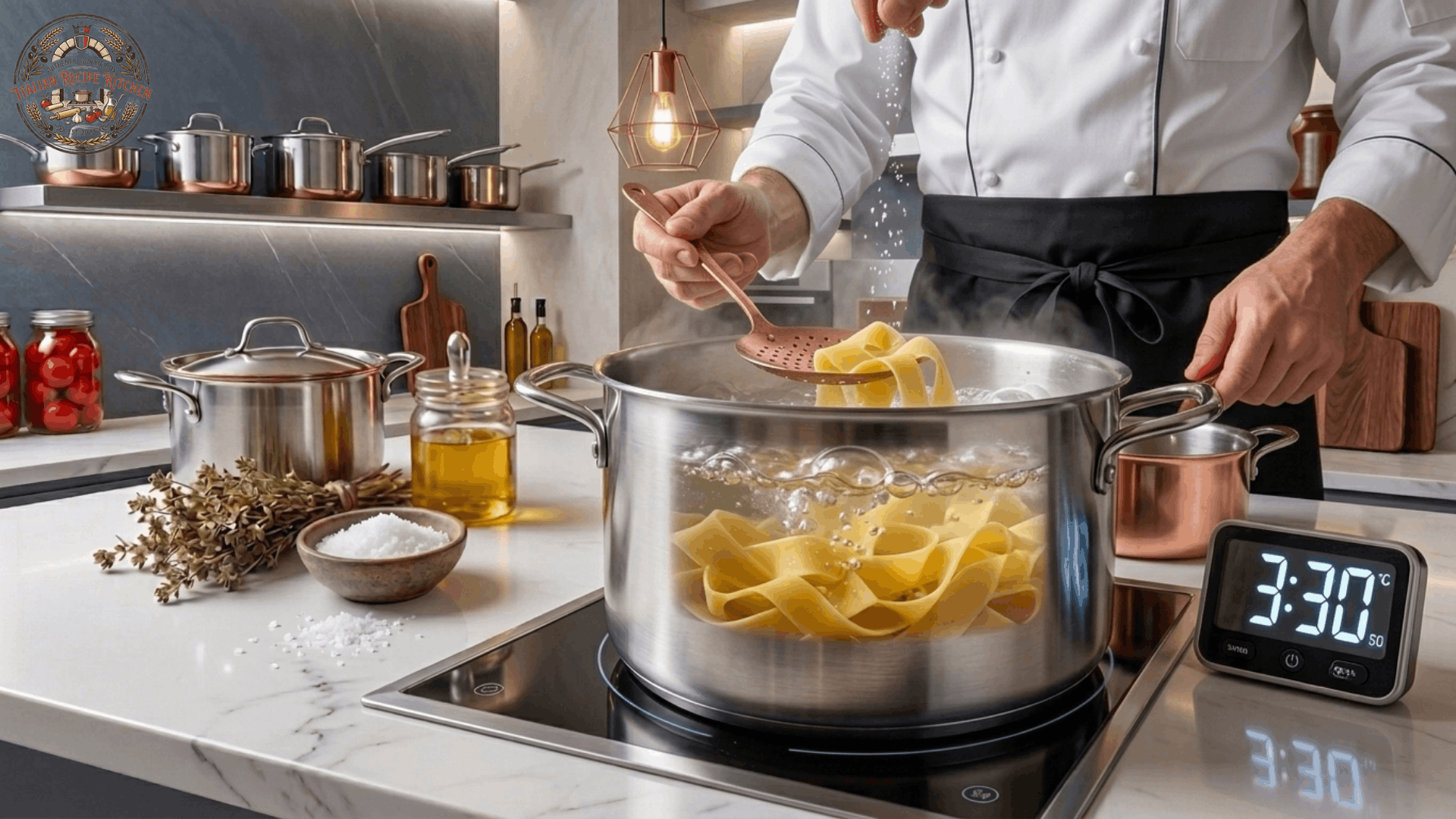
Bring a large pot of heavily salted water to a boil in your kitchen. Cook your pasta two minutes less than the package directions call for. The pasta finishes cooking in the oven, so pulling it out early prevents it from becoming soft and mushy, which looks perfect. Drain and set aside, tossing with a small drizzle of olive oil to prevent sticking.
Step 2: Make the Bechamel Sauce
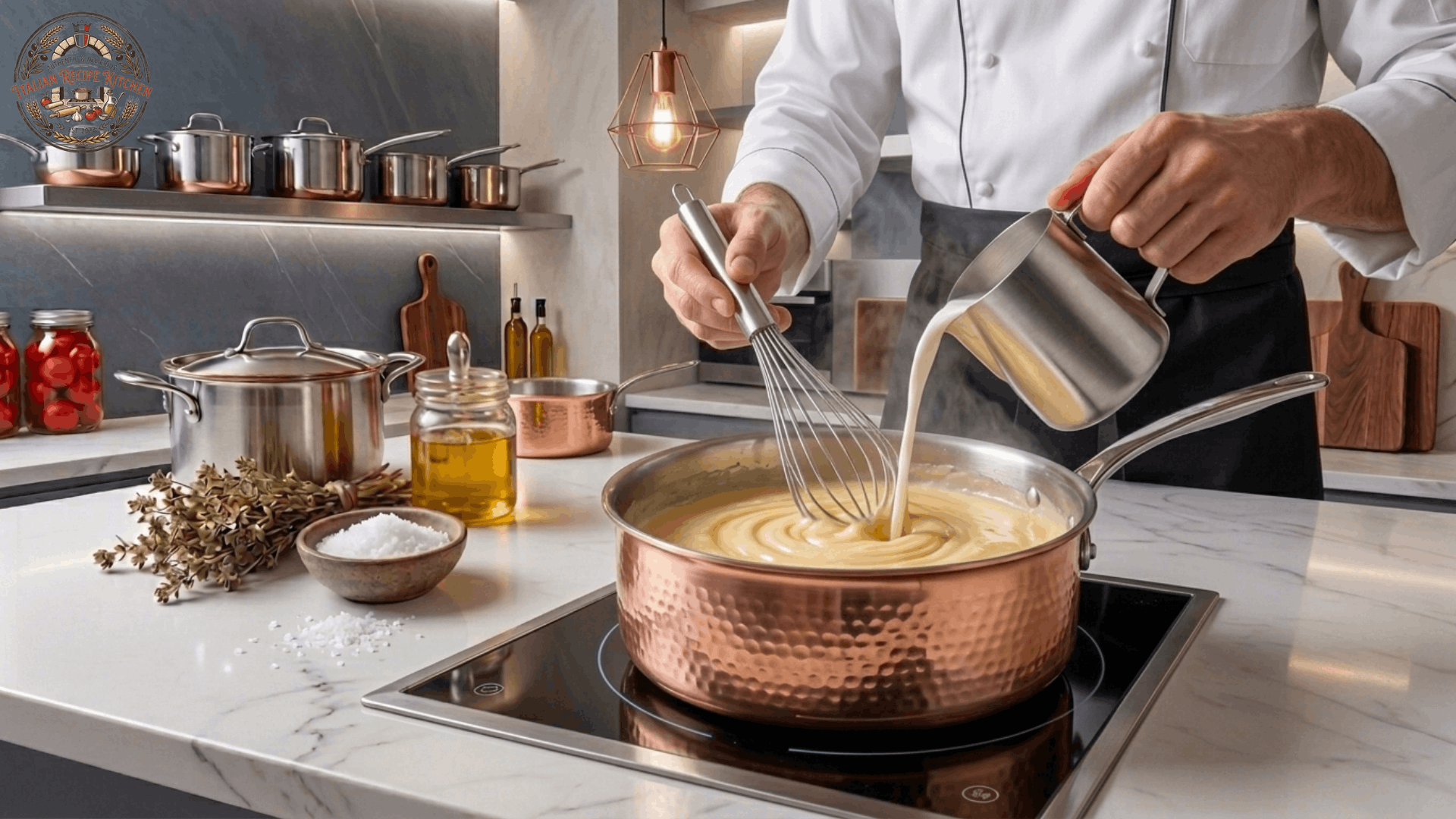
Melt butter in a medium saucepan over medium heat. Once it stops foaming, whisk in the flour and cook for two minutes, stirring constantly until the mixture smells slightly nutty. This step cooks out the raw flour taste and is the foundation of a great sauce.
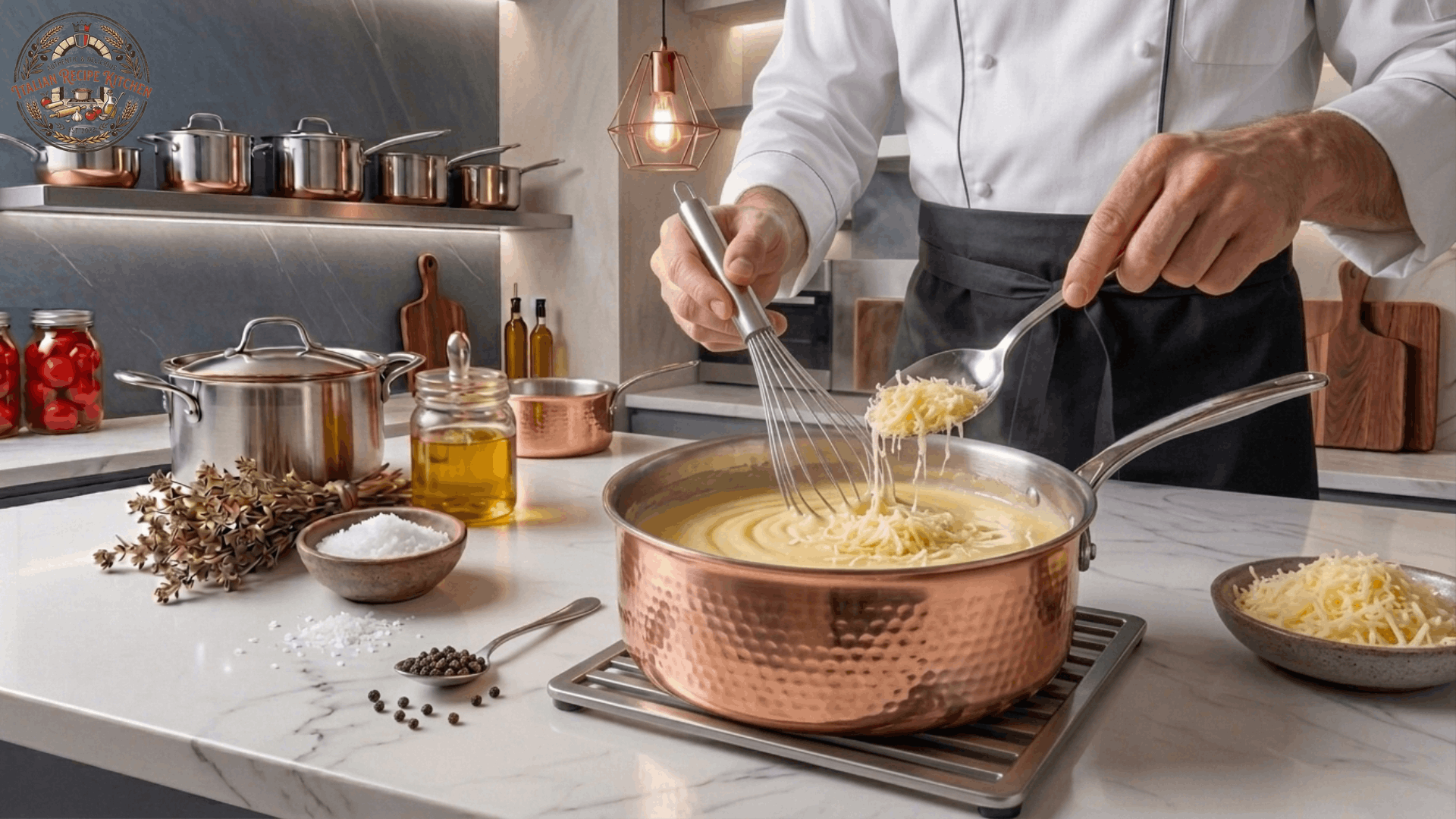
Slowly pour in the warmed milk while whisking continuously to prevent lumps from forming. Add the Italian seasoning, garlic powder, salt, white pepper, and nutmeg. Bring to a gentle simmer and cook for four to five minutes, stirring often, until the sauce thickens enough to coat the back of a spoon.
Step 3: Build the Cheese Sauce
Remove the saucepan from the heat. Add the mozzarella, fontina, parmesan, and pecorino in small batches, stirring between each addition until fully melted and smooth. Working off the heat prevents the cheese from seizing or turning grainy. Taste the sauce and adjust salt and pepper as needed before adding the pasta.
Step 4: Combine and Transfer
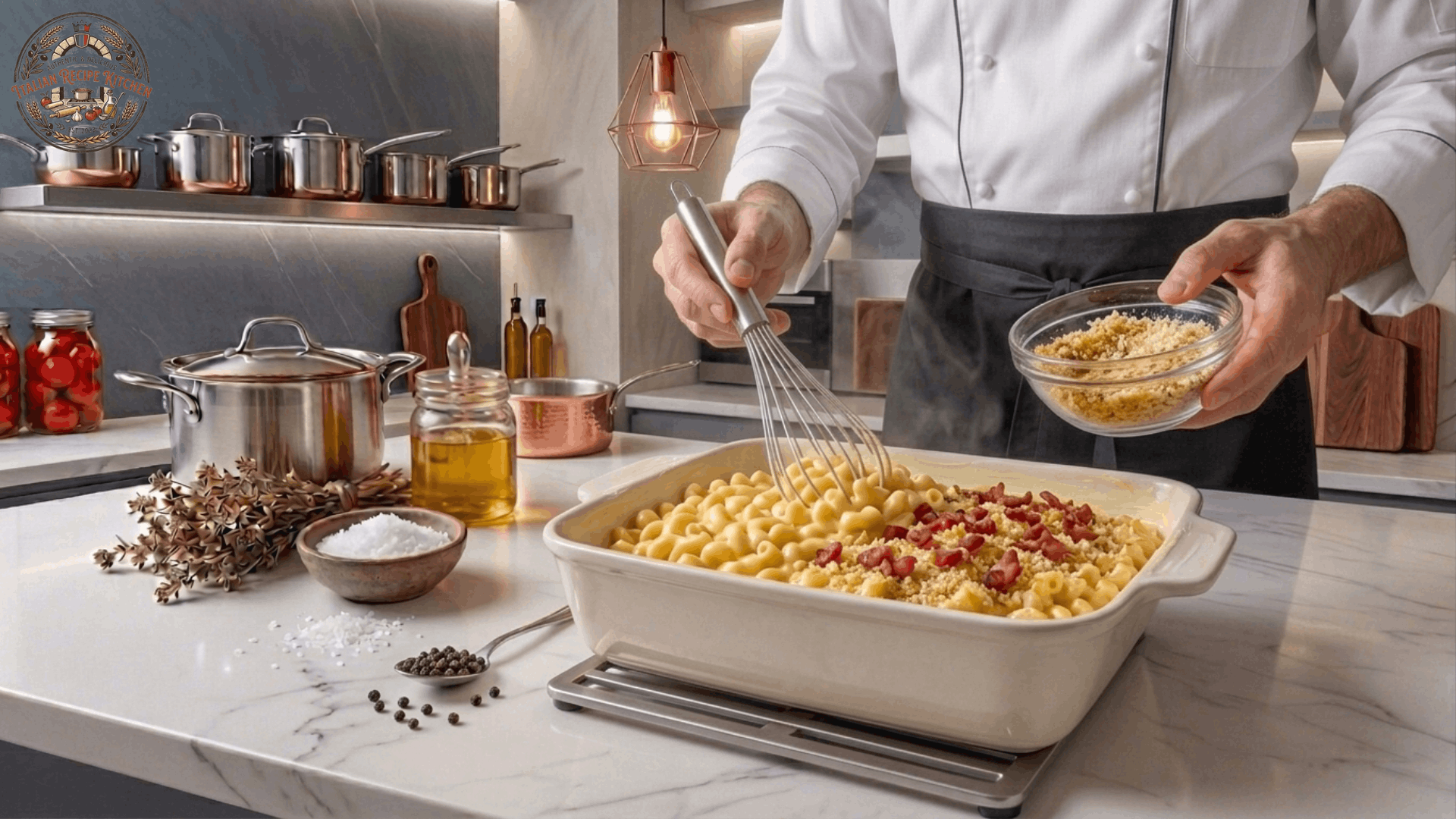
Add the drained pasta to the cheese sauce and stir until every piece is fully coated. Pour the mixture into a lightly buttered baking dish. In a small bowl, combine the panko breadcrumbs, melted butter, and parmesan. Scatter this mixture evenly over the top of the pasta. If using pancetta, sprinkle the crispy pieces over the breadcrumb layer.
Step 5: Bake to Golden Perfection
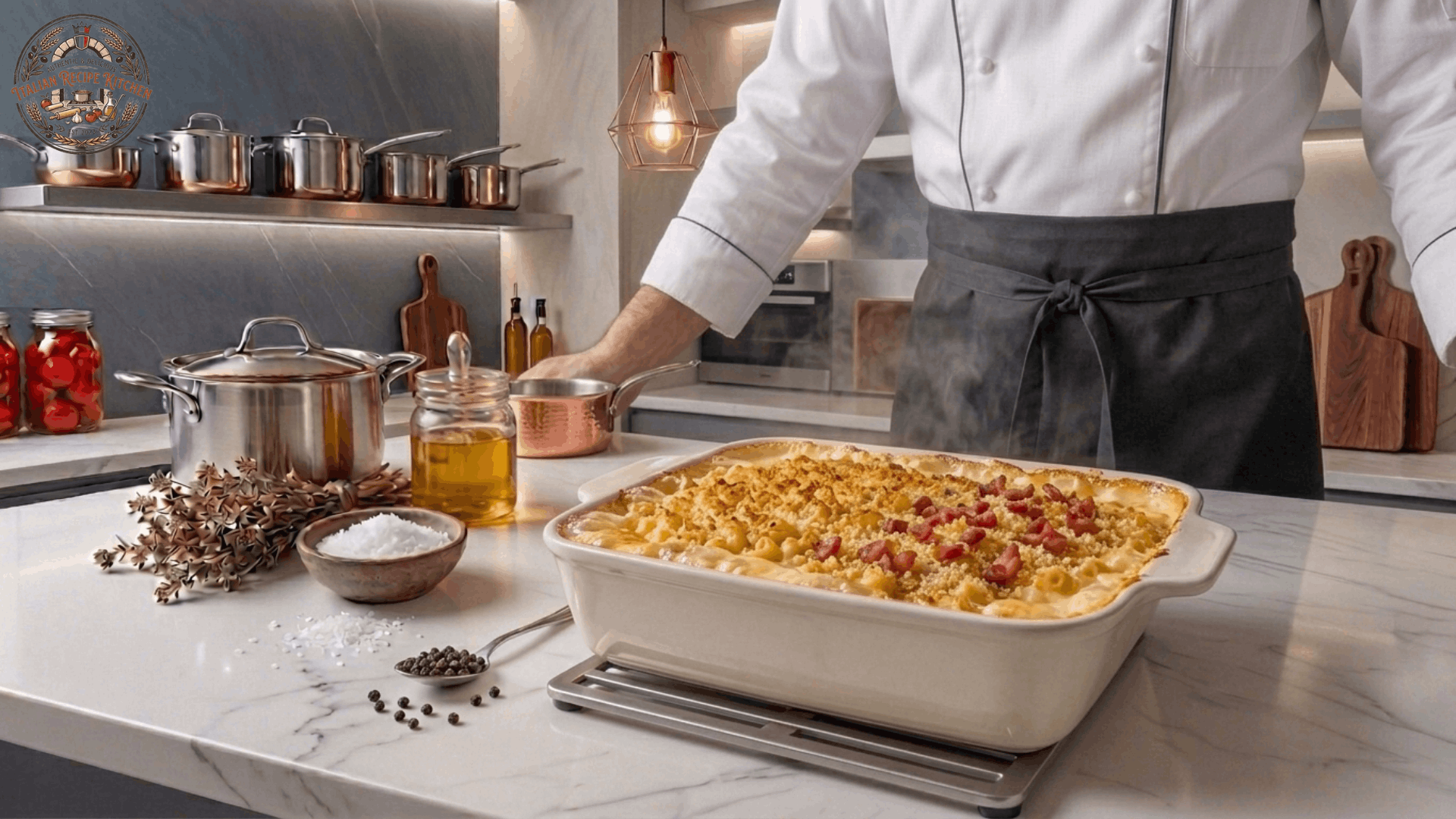
Preheat your oven to 375 degrees Fahrenheit. Bake the dish uncovered for 20 to 25 minutes until the top is golden, the edges are bubbling, and the breadcrumbs are crisp and fragrant, which looks tasty. For an extra-crispy top, switch to the broiler for the final two minutes, but watch it closely so it does not burn. Let the dish rest for five minutes before serving for the best taste.
Expert Tips for the Creamiest Result
These small details make a noticeable difference in your final dish:
- Always warm the milk before adding it to the roux; cold milk causes lumps to form faster, which makes your dish not perfect
- Never let the bechamel boil vigorously, or it may break and turn grainy
- Grate all your cheese fresh and bring it to room temperature before adding to the sauce
- Pull the pasta two minutes early every time, no exceptions
- Season the pasta water generously so the noodles carry flavor from the inside out
- Let the finished dish rest for five to ten minutes before serving so the sauce settles and thickens slightly
How to Store and Reheat Leftovers
Store leftover Italian mac and cheese in an airtight container in the refrigerator for up to three days. To reheat, place a portion in a saucepan over low heat with a splash of milk or water, stirring gently until warmed through and creamy again. The microwave works in a pinch but tends to dry the sauce out, so always add a little liquid and stir halfway through.
To freeze, cool the dish completely before transferring to a freezer-safe container. If freezing the entire batch, undercook the pasta slightly so it does not become mushy when thawed and reheated. Freeze for up to three months and thaw overnight in the refrigerator before reheating.
What to Serve Alongside Italian Mac and Cheese
This dish is rich and satisfying on its own, but these pairings take it to the next level:
- A light arugula salad with lemon vinaigrette to cut through the richness
- Garlic focaccia or crusty ciabatta bread for soaking up extra sauce
- Roasted cherry tomatoes or blistered tomatoes on the vine
- Grilled or roasted asparagus, broccolini, or zucchini
- A simple caprese salad with fresh basil and burrata
- A glass of Pinot Grigio or light Chianti to complement the Italian cheese blend
Nutrition Information (Per Serving, Approximately 1.5 Cups)
| Nutrient | Approximate Amount |
| Calories | 490 kcal |
| Protein | 22g |
| Carbohydrates | 52g |
| Fat | 20g |
| Saturated Fat | 11g |
| Fiber | 2g |
| Calcium | 320mg |
| Sodium | 590mg |
Values are approximate and will vary based on specific cheese brands, pasta type, and portion size.
Final Thoughts
Italian mac and cheese is the upgrade your comfort food routine has been waiting for. It takes a dish everyone already loves and makes it genuinely special with real Italian cheeses, a silky homemade sauce, and a golden, crunchy topping that adds texture and excitement to every single bite. Once you understand the basics of building a bechamel sauce and blending your cheeses well, this recipe comes together quickly and consistently every time. Make it once for a weeknight dinner, and it will become a regular request at your table for years to come.
Frequently Asked Questions
What makes mac and cheese Italian style?
Italian mac and cheese uses authentic Italian cheeses like mozzarella, fontina, and parmesan instead of cheddar, often with a bechamel base and Italian herbs.
What is the best pasta shape for Italian mac and cheese?
Penne and rigatoni are ideal because their ridges and hollow centers trap the creamy sauce and hold it beautifully in every bite.
Can I make Italian mac and cheese without baking it?
Yes, the stovetop version is just as delicious. Simply toss the cooked pasta with the finished cheese sauce and serve immediately without the breadcrumb topping.
Why is my cheese sauce grainy or lumpy?
Overheating the sauce or adding cold cheese too quickly causes graininess. Always remove the pan from the heat before adding cheese, and add it gradually while stirring.
Can I add meat to Italian mac and cheese?
Absolutely. Crispy pancetta, cooked Italian sausage, ground beef, or shredded rotisserie chicken all work beautifully and make the dish more filling.
Is fontina cheese necessary for this recipe?
Fontina adds a wonderful nutty creaminess, but can be replaced with Gruyère, provolone, or Havarti for a very similar result.
How do I keep the mac and cheese creamy when reheating?
Always add a splash of milk or water before reheating and stir frequently over low heat to bring the sauce back to its original creamy consistency.